The U.S. Senate has taken a significant step to limit presidential trade authority by voting to prevent additional tariffs on Brazilian imports. The move represents a bipartisan rebuke of the Trump administration’s trade strategy, signaling growing congressional resistance to unilateral trade actions that could disrupt international economic relations.
Senate Challenges Presidential Tariff Powers
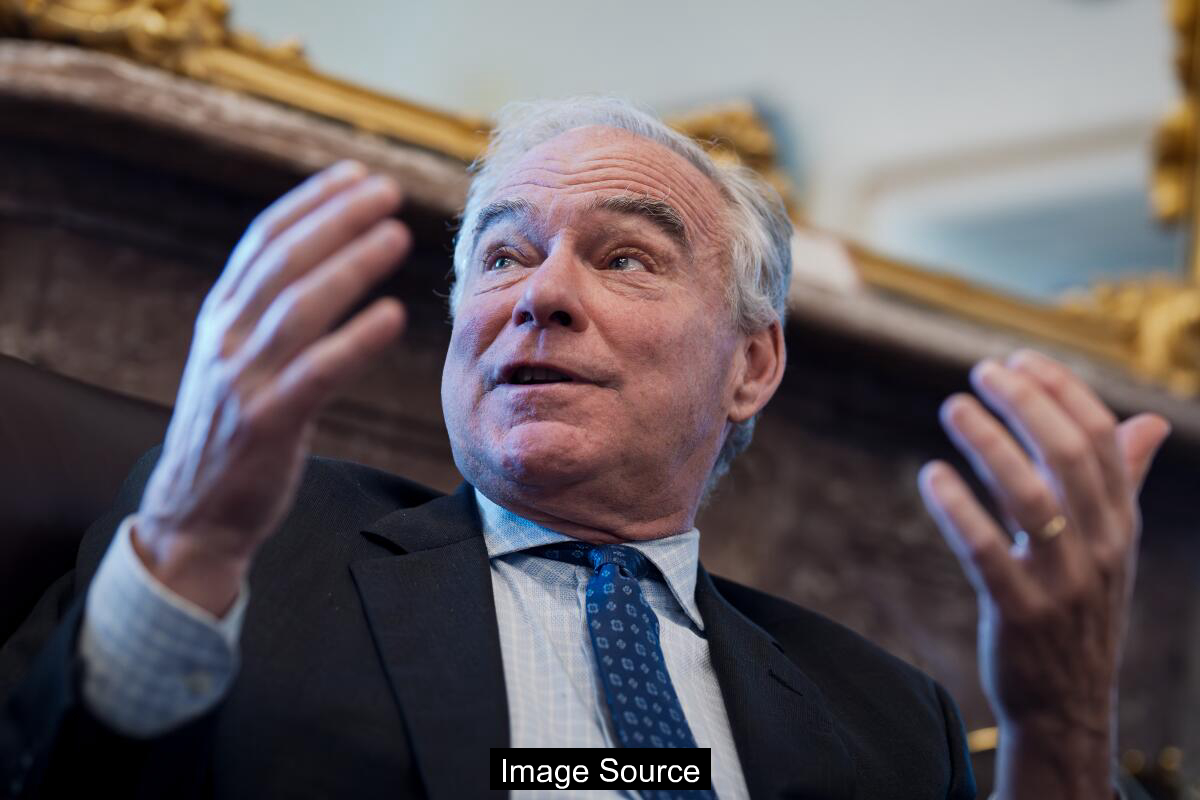
The United States Senate recently approved a resolution challenging President Trump’s tariffs on Brazil, signaling growing bipartisan resistance to executive trade policies. The legislation, introduced by Senator Tim Kaine from Virginia, passed with a 52-48 vote, demonstrating significant congressional concern about unilateral trade actions. Five Republican senators joined Democrats in supporting the resolution, highlighting emerging fractures within the party’s traditional support for the president’s economic strategies.
The proposed resolution would nullify national emergency declarations used to justify 50% tariffs on Brazilian products including oil, coffee, and orange juice. Despite the vote’s symbolic importance, the legislation faces significant obstacles in the Republican-controlled House, which has implemented procedural rules preventing potential floor debates. Trump would likely veto the measure even if it were to advance through congressional channels.
Senator Kaine framed the vote as a broader challenge to presidential overreach, questioning how much authority lawmakers will permit the executive branch to wield in trade negotiations. The resolution represents a strategic effort to force a substantive conversation about the economic implications of tariff policies and their potential destructive consequences.
Economic and Political Implications
The tariff debate reflects growing economic concerns about trade policies’ broader impacts. The nonpartisan Congressional Budget Office has indicated that such tariff strategies could contribute to increased jobless rates and potential inflationary pressures. These economic projections underscore the potential risks associated with aggressive trade interventions.
Senate Democratic leader Chuck Schumer criticized the tariffs as reckless, arguing that everyday Americans bear the financial burden of such policies. The U.S. trade surplus with Brazil, which stood at $6.8 billion last year, further complicates the economic calculus of these trade restrictions.
Republicans have shown increasing unease with the administration’s trade approach, recognizing potential long-term economic disruptions. Senators like Mitch McConnell and Rand Paul have publicly expressed concerns about using emergency powers for trade negotiations, emphasizing constitutional principles of representation and taxation.
FAQ: Understanding Tariff Dynamics
Q1. Why are these tariffs being implemented against Brazil?
A1. The tariffs appear to be linked to Brazil’s policies and criminal prosecution of former President Jair Bolsonaro, though the precise diplomatic motivations remain complex and multifaceted.
Q2. What legal challenges exist for these tariffs?
A2. The Supreme Court is currently considering a case challenging the president’s authority to implement sweeping tariffs, with lower courts having previously found most such tariffs illegal.
The ongoing legal and political debates highlight the intricate balance between executive trade powers and congressional oversight. These discussions reflect broader tensions in interpreting presidential emergency authorities and international trade regulations.
Political Perspectives and Resistance
Vice President JD Vance has defended the tariff strategy, arguing that these measures provide leverage for American workers and farmers in international negotiations. His perspective represents the administration’s continued commitment to a confrontational trade approach.
Some Republican senators remain cautious about directly challenging the president, preferring to await the Supreme Court’s ruling before taking definitive action. This measured approach reflects internal party dynamics and potential political calculations.
Senator Kaine’s strategy involves invoking a decades-old law that allows Congress to challenge presidential emergency powers, creating opportunities for minority party members to force substantive votes and public discussions.
The resolution represents more than a trade policy debate; it symbolizes a broader constitutional struggle over the limits of executive power in international economic relations.
Future Outlook and Strategic Implications
The tariff resolution signals potential shifts in congressional approaches to trade policy, with bipartisan cooperation emerging as a notable trend. Republicans and Democrats appear increasingly willing to challenge executive trade strategies that they perceive as economically harmful.
Legal challenges, including the pending Supreme Court case, could significantly reshape presidential authority in implementing trade restrictions. The court’s eventual ruling may establish critical precedents for future trade negotiations and emergency declarations.
International trading partners are likely monitoring these developments closely, recognizing the potential for more collaborative and transparent trade policy frameworks. The ongoing debates suggest a period of recalibration in U.S. international economic engagement.
Strategic Summary
The Senate’s tariff resolution represents a complex interplay of economic policy, constitutional interpretation, and political strategy. While the immediate legislative outcome remains uncertain, the vote demonstrates growing congressional willingness to challenge executive trade actions.
Key developments include bipartisan resistance, potential Supreme Court interventions, and emerging debates about presidential trade authorities. These dynamics suggest a nuanced and evolving landscape of international economic policymaking.
As trade tensions continue to develop, stakeholders across political, economic, and legal domains will need to navigate increasingly sophisticated and interconnected global trade environments.
※ This article summarizes publicly available reporting and is provided for general information only. It is not legal, medical, or investment advice. Please consult a qualified professional for decisions.
Source: latimes.com