Paramount Global has secured a significant long-term lease for a new production facility in New Jersey, marking a strategic expansion of its content creation infrastructure. The decade-long agreement will provide the media company with an extensive studio complex to support its growing film and television production needs in the Northeast region.
Paramount’s Strategic New Jersey Move
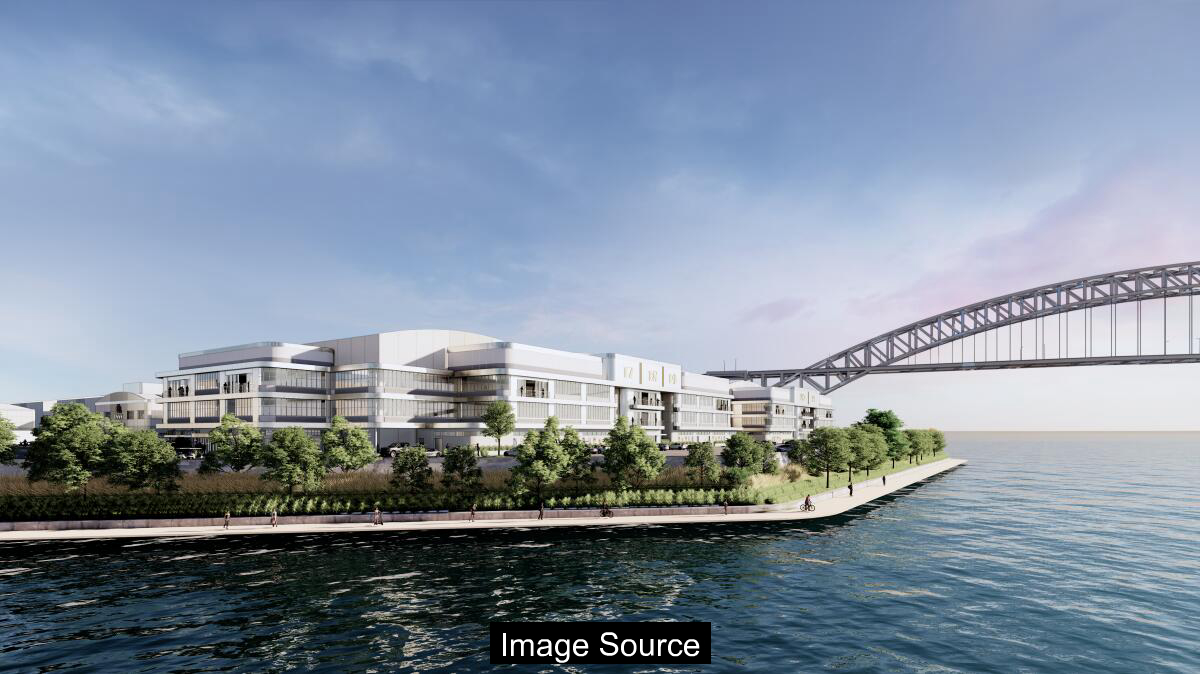
Paramount has secured a significant foothold in the entertainment production landscape by signing a 10-year lease at 1888 Studios, a new $1-billion production facility in Bayonne, New Jersey. The 58-acre complex will offer more than 1.1 million square feet of production space, featuring 23 sound stages and comprehensive production infrastructure. This strategic investment reflects the company’s commitment to expanding its production capabilities in a competitive media environment.
The facility, developed by Togus Urban Renewal, represents a substantial commitment from Paramount, which will occupy over 285,000 square feet of the complex. Expected to be completed in late 2028, the studio will provide state-of-the-art amenities for film and television production. Bayonne’s history as a filming location, including productions like the Bruce Springsteen biopic and HBO’s “The Sopranos,” adds cultural credibility to the project.
Andy Gordon, Paramount’s chief strategy and operating officer, emphasized the importance of this expansion. The move aligns with the company’s long-term strategy of scaling production and creating domestic entertainment opportunities. By leveraging New Jersey’s competitive tax incentive programs, Paramount is positioning itself to attract top creative talent and enhance its production capabilities.
Tax Incentive Landscape
New Jersey’s aggressive film and television tax credit program has become a significant draw for entertainment companies. The state offers up to 45% tax credits on qualified expenditures, making it an attractive destination for production companies seeking cost-effective filming locations. This approach has already attracted major players like Netflix and Lionsgate as studio partners.
The New Jersey Economic Development Authority plays a crucial role in this initiative, designating studio and film-lease partner facilities. Paramount’s application to become a studio partner is set to be reviewed, indicating the company’s serious commitment to the state’s production ecosystem. The program allocates $430 million annually to support these incentives.
This competitive landscape extends beyond New Jersey, with states and international locations like Britain, Australia, and New Zealand increasingly offering attractive tax credits. California, traditionally the entertainment production hub, now faces significant competition from these emerging production centers. The shift represents a broader trend of decentralizing film and television production.
Industry Context and Trends
The 1888 Studios project emerges against a backdrop of significant changes in the entertainment industry. Paramount’s recent acquisition by Skydance Media and subsequent restructuring, including a layoff of 1,000 workers, underscores the dynamic nature of media companies. These strategic moves reflect ongoing adaptation to technological and market shifts.
Production facilities are increasingly viewed as critical infrastructure for entertainment companies. The ability to offer comprehensive, technologically advanced spaces can be a significant competitive advantage. 1888 Studios’ design includes not just sound stages, but also post-production work areas, offices, and specialized facilities for lighting and grip equipment.
The trend towards creating large, multi-purpose production hubs indicates a strategic approach to content creation. By consolidating resources and leveraging tax incentives, companies like Paramount can optimize production costs while maintaining high-quality output. This model also supports local job creation and economic development in host communities.
FAQ: Production Facilities Explained
Q1. What makes a production facility attractive to entertainment companies?
A1. Key factors include advanced technological infrastructure, comprehensive production spaces, strategic location, tax incentives, and proximity to talent pools. Facilities like 1888 Studios offer multiple sound stages, post-production areas, and specialized equipment zones.
Q2. How do tax credits impact production decisions?
A2. Tax credits can significantly reduce production costs, sometimes by up to 45%. They influence where companies choose to film, potentially shifting production from traditional centers like California to states offering more competitive financial incentives.
Future Outlook
The 1888 Studios project represents more than a single facility; it symbolizes the evolving landscape of entertainment production. As technology advances and production costs become increasingly scrutinized, such strategic investments will likely become more common. Companies will continue seeking locations that offer financial incentives, technological infrastructure, and creative environments.
Paramount’s move signals a potential trend of decentralizing production, moving away from traditional Hollywood-centric models. By investing in facilities like 1888 Studios, entertainment companies can create more flexible, cost-effective production ecosystems. This approach could reshape how and where content is created in the coming decades.
The success of such initiatives will depend on continued collaboration between entertainment companies, state economic development authorities, and local communities. As the industry continues to evolve, adaptability and strategic investment will be key to maintaining competitive advantage.
Strategic Pointers
Paramount’s 1888 Studios lease represents a calculated strategic move in a rapidly changing entertainment landscape. By securing a state-of-the-art facility with significant tax incentives, the company positions itself to remain competitive in content production. The project reflects broader industry trends of decentralization and strategic resource allocation.
Key considerations for similar strategic moves include evaluating tax incentives, assessing technological infrastructure, and understanding local production ecosystems. Entertainment companies must balance immediate financial considerations with long-term strategic goals when making such significant investments.
As the media landscape continues to transform, facilities like 1888 Studios will likely become increasingly important. They offer not just physical spaces for production, but strategic platforms for innovation, talent development, and content creation in an increasingly complex global entertainment market.
※ This article summarizes publicly available reporting and is provided for general information only. It is not legal, medical, or investment advice. Please consult a qualified professional for decisions.
Source: latimes.com