The ongoing federal government shutdown has continued to strain the nation’s air traffic control system, with controllers working without compensation for weeks. Mounting fatigue and financial stress among air traffic personnel have raised concerns about potential safety risks and operational challenges at airports across the United States.
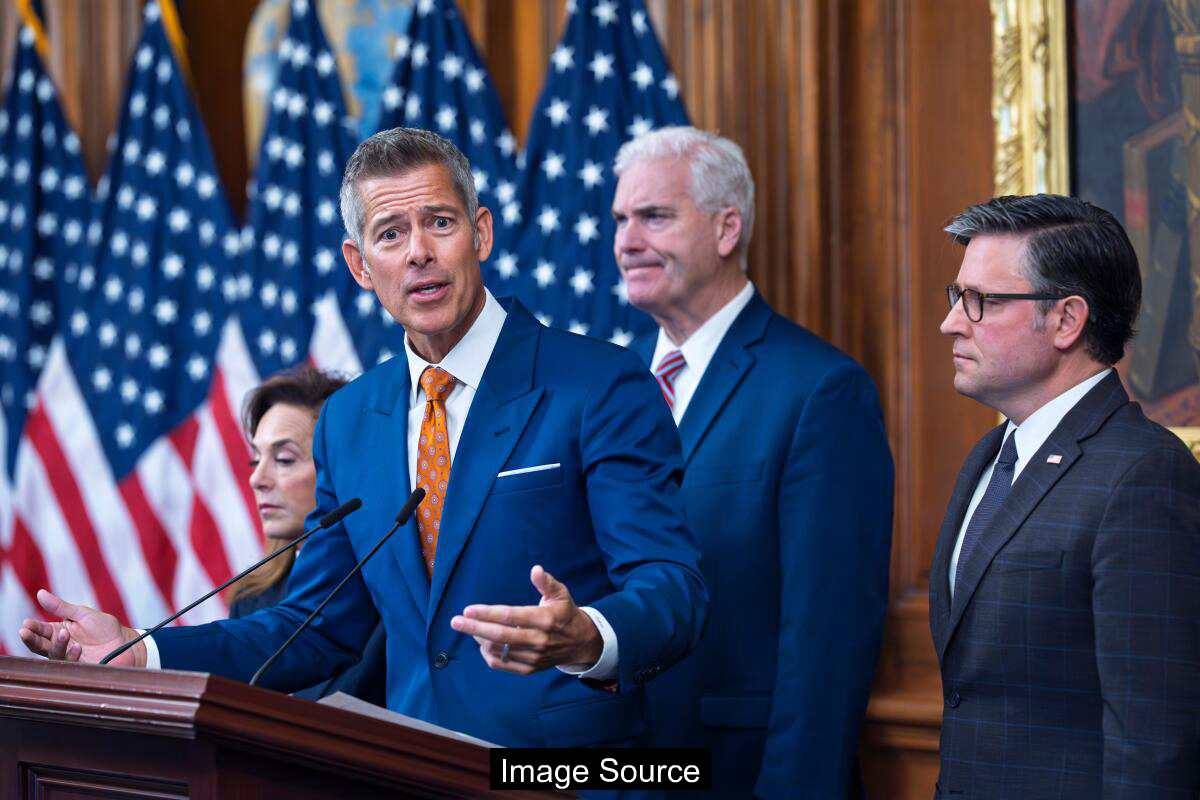
Government Shutdown’s Aviation Crisis
The ongoing government shutdown has precipitated significant disruptions in the United States aviation system. Air traffic controllers, working without pay, are experiencing unprecedented professional strain. Major airports across the country are reporting substantial flight delays and potential safety risks due to staffing shortages.
Flight delays have surged nationwide, with airports in Phoenix, Houston, San Diego, New York, and Washington experiencing critical staffing challenges. According to FlightAware.com, national flight delays escalated from approximately 4,000 to 6,158 in a single day. Transportation Secretary Sean Duffy has highlighted the growing concerns about system reliability.
The impact extends beyond immediate travel inconveniences. Controllers are confronting difficult financial decisions, with many taking secondary employment like driving for Uber or delivering for DoorDash. The psychological and professional toll threatens the long-term stability of air traffic management infrastructure.
Training Pipeline Disruption
The shutdown’s most insidious effect may be its impact on future air traffic controller recruitment. Aspiring controllers are abandoning training programs, recognizing the potential for unpaid work and professional uncertainty. The FAA’s controller academy in Oklahoma City is witnessing unprecedented attrition.
Training new air traffic controllers is a complex, years-long process requiring significant investment. With potential candidates walking away, the aviation sector faces a potential long-term human resource crisis. The current environment discourages talented individuals from entering a critical national infrastructure role.
Nick Daniels, the air traffic controllers union head, warns that each day of the shutdown compromises system safety. Controllers cannot maintain optimal focus when confronting personal financial pressures, creating potential risks for millions of travelers.
Financial Pressures and Workplace Stress
Controllers across experience levels are experiencing significant financial strain. Even experienced professionals earning six-figure salaries are struggling with the shutdown’s economic impact. Many are living paycheck to paycheck, facing impossible choices between essential expenses like rent, childcare, and groceries.
Airlines and industry unions have responded with grassroots support, providing meals and connecting controllers with food banks. The Air Line Pilots Association has publicly expressed concern about the additional stress placed on these critical workers.
Transportation Secretary Duffy has warned that controllers abusing sick time during the shutdown could face termination. This threat adds another layer of complexity to an already tense professional environment.
Common Questions About the Shutdown
How long have flight disruptions been occurring? Flight delays have been escalating since the shutdown began on October 1st, with increasing frequency and severity in recent weeks.
Are all airports experiencing equal disruption? No, some airports have been more significantly impacted, including major hubs in Phoenix, Houston, New York, and Washington.
The variations depend on local staffing levels and the specific challenges each airport’s air traffic control team faces during this unprecedented situation.
Political Standoff Continues
Republicans and Democrats remain deadlocked over shutdown negotiations. Democrats are demanding protections against potential healthcare premium increases, while Republicans insist on resolving the shutdown first.
Congressional leaders like Rep. Sam Graves acknowledge the strain on the aviation system while attributing blame to the opposing party. The aviation industry and its unions are increasingly vocal in urging a swift resolution.
The potential disruption of Thanksgiving travel adds urgency to the political negotiations. With the holiday season approaching, the pressure to resolve the shutdown is mounting from multiple sectors.
Strategic Summary
The government shutdown’s impact on air traffic control represents a critical national infrastructure challenge. Beyond immediate travel disruptions, the long-term consequences could include compromised safety and a depleted professional workforce.
Stakeholders across the aviation ecosystem—from controllers and pilots to airlines and political leaders—recognize the urgent need for a comprehensive resolution. The current situation threatens not just travel convenience but the fundamental reliability of the U.S. aviation system.
As negotiations continue, the human and professional toll of the shutdown becomes increasingly apparent. The coming weeks will be pivotal in determining the extent of potential long-term damage to the nation’s air transportation infrastructure.
※ This article summarizes publicly available reporting and is provided for general information only. It is not legal, medical, or investment advice. Please consult a qualified professional for decisions.
Source: latimes.com