China, the world’s largest energy consumer, is poised to witness a significant shift in its power generation landscape. According to industry projections, the country’s solar power capacity is expected to surpass its coal-fired electricity generation for the first time in 2023, marking a major milestone in the nation’s renewable energy transition.
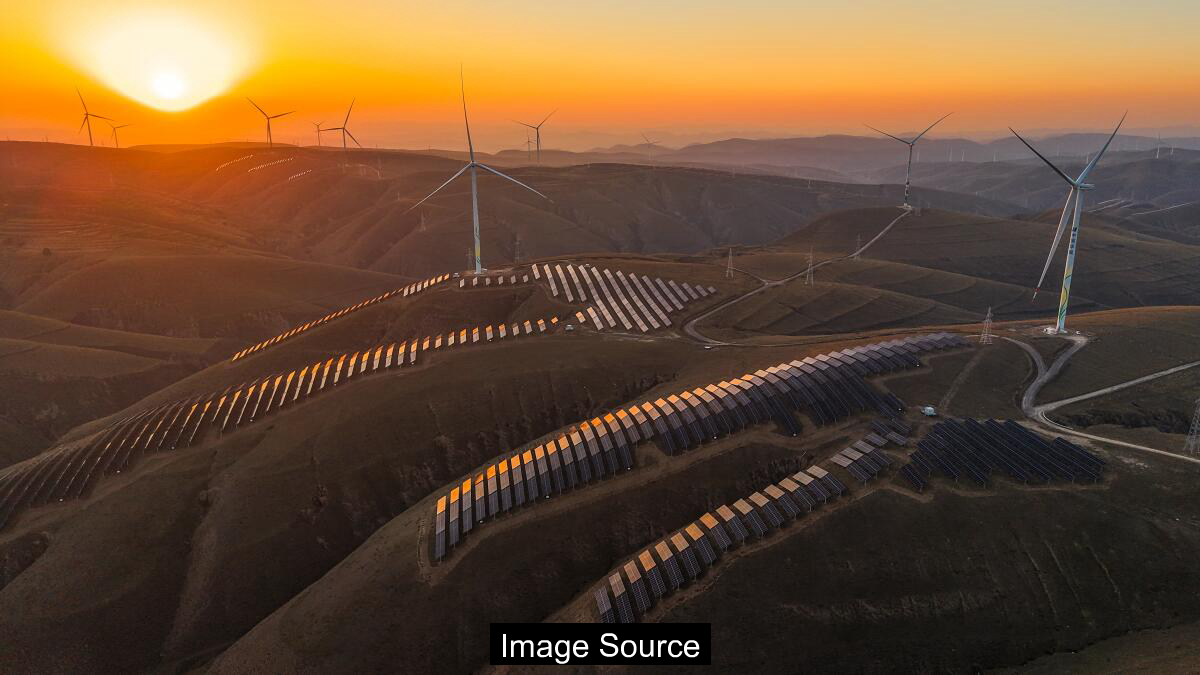
China’s Renewable Energy Surge
China’s solar generating capacity is poised to surpass coal for the first time this year, marking a significant milestone in the country’s long-standing effort to build a cleaner power system. The nation, which has been aggressively expanding its clean electricity infrastructure, is on track to derive nearly half of its installed generating capacity from solar and wind by the end of 2026.
According to the China Electricity Council, the country’s total coal capacity is expected to reach around 1,333 gigawatts by the end of 2026, while solar capacity is projected to hit 1,200 gigawatts, having averaged 270 gigawatts of growth annually over the past three years. This rapid expansion of renewable energy has helped China avoid widespread blackouts that have affected parts of the U.S. and Europe in recent years.
The council’s estimates indicate that China will add more than 400 gigawatts of new generation capacity in 2026, largely keeping pace with the country’s growing electricity demand. The majority of this new capacity is expected to come from renewables, primarily wind and solar, which together would account for around 300 gigawatts of the increase.
Shifting Policies and Market Reforms
While the growth in China’s renewable energy sector remains impressive, it represents a significant slowdown from the previous year, when solar alone accounted for 315 gigawatts of new capacity. This shift can be attributed to Beijing’s adoption of new policies that push renewables toward market pricing, a move that is expected to reduce revenue from new developments.
The Chinese government has also accelerated power market reforms, intensifying competition among energy sources and driving electricity prices lower. Additionally, the government has increased investment in the power grid to a record high last year, aimed at easing transmission bottlenecks that have historically hindered the integration of renewable energy.
These policy changes and market reforms are shaping the trajectory of China’s energy landscape, as the country continues to prioritize the development of clean energy sources while navigating the complexities of a rapidly evolving power sector.
Global Renewable Energy Trends
China’s renewable energy surge is part of a broader global trend, with other countries also making significant strides in the clean energy transition. In the United States, for example, a recent report from a trade group found that nearly 60 gigawatts of clean power projects were stalled, highlighting the ongoing challenges in scaling up renewable energy infrastructure.
Meanwhile, India has been electrifying faster than China, leveraging the rapid advancements in affordable green technologies to expand access to electricity across the country. This progress in renewable energy adoption is not limited to the world’s largest economies, as countries of all sizes are working to harness the benefits of clean power.
The global shift toward renewable energy is driven by a range of factors, including the need to address climate change, the declining costs of clean technologies, and the increasing competitiveness of renewable energy sources compared to traditional fossil fuels. As these trends continue to unfold, the impact on industries, consumers, and policymakers will be far-reaching.
Mini-FAQ: China’s Renewable Energy Transition
Q: What is the significance of China’s solar capacity surpassing coal?
A: The milestone of China’s solar generating capacity surpassing coal for the first time marks a significant shift in the country’s energy landscape. It underscores China’s long-standing commitment to building a cleaner power system and reducing its reliance on fossil fuels.
Q: How is China’s renewable energy growth impacting the global energy landscape?
A: China’s rapid expansion of renewable energy, particularly wind and solar, is part of a broader global trend towards clean energy sources. This shift is driven by factors such as the need to address climate change, the declining costs of clean technologies, and the increasing competitiveness of renewable energy compared to traditional fossil fuels.
Challenges and Opportunities Ahead
Despite the impressive growth in China’s renewable energy sector, the country still faces a range of challenges and obstacles. The transition to a cleaner power system requires significant investments in grid infrastructure, energy storage solutions, and the development of new technologies to overcome transmission bottlenecks and ensure the reliable integration of renewable energy.
Moreover, the shift towards market-based pricing for renewable energy projects has introduced new complexities, as developers and investors navigate the evolving policy landscape and the impact on project economics. Balancing the need for continued renewable energy expansion with the realities of a dynamic power market will be a key priority for policymakers and industry stakeholders.
Despite these challenges, the opportunities presented by China’s renewable energy transition are vast. The country’s commitment to clean energy has the potential to drive innovation, create new jobs, and position China as a global leader in the clean energy revolution. As the world watches China’s progress, other nations may be inspired to accelerate their own renewable energy initiatives, further accelerating the global shift towards a more sustainable energy future.
Investor Takeaways
The rapid growth of China’s renewable energy sector presents both opportunities and risks for investors. On the one hand, the continued expansion of wind and solar capacity, coupled with the government’s push for market-based pricing, could create attractive investment opportunities in the renewable energy value chain, from project development to equipment manufacturing and grid infrastructure.
However, the evolving policy landscape and the potential for increased competition in the power market may also introduce new uncertainties and risks for investors. Careful analysis of market trends, regulatory changes, and project-level economics will be crucial for investors seeking to navigate this dynamic landscape and capitalize on the long-term potential of China’s renewable energy transition.
As the country’s energy mix continues to shift, investors will need to stay informed and agile, monitoring the latest developments in technology, policy, and market dynamics to identify the most promising investment opportunities and mitigate potential risks. The successful navigation of China’s renewable energy transition could yield significant rewards for those investors who are able to adapt and thrive in this rapidly evolving market.
Strategic Summary
China’s solar generating capacity is poised to surpass coal for the first time in 2026, marking a significant milestone in the country’s long-standing effort to build a cleaner power system. This shift is part of a broader trend of renewable energy growth, with China on track to derive nearly half of its installed generating capacity from solar and wind by the end of the year.
The rapid expansion of renewable energy in China has been driven by a combination of policy changes and market reforms, including the push towards market-based pricing for renewable energy projects and increased investment in grid infrastructure. These developments have helped China avoid the widespread blackouts that have affected parts of the U.S. and Europe in recent years.
While the growth in China’s renewable energy sector remains impressive, it represents a slowdown from the previous year, as the country navigates the complexities of a rapidly evolving power market. Nonetheless, China’s commitment to clean energy continues to shape the global energy landscape, inspiring other nations to accelerate their own renewable energy initiatives and driving innovation in the clean energy sector.
※ This article summarizes publicly available reporting and is provided for general information only. It is not legal, medical, or investment advice. Please consult a qualified professional for decisions.