Global cocoa prices have surged to record highs in recent months, driven by poor harvests in West Africa and increasing demand from emerging markets. The dramatic price increase threatens to squeeze profit margins for major confectionery companies, potentially leading to higher consumer prices or reduced product sizes for Halloween candy offerings.
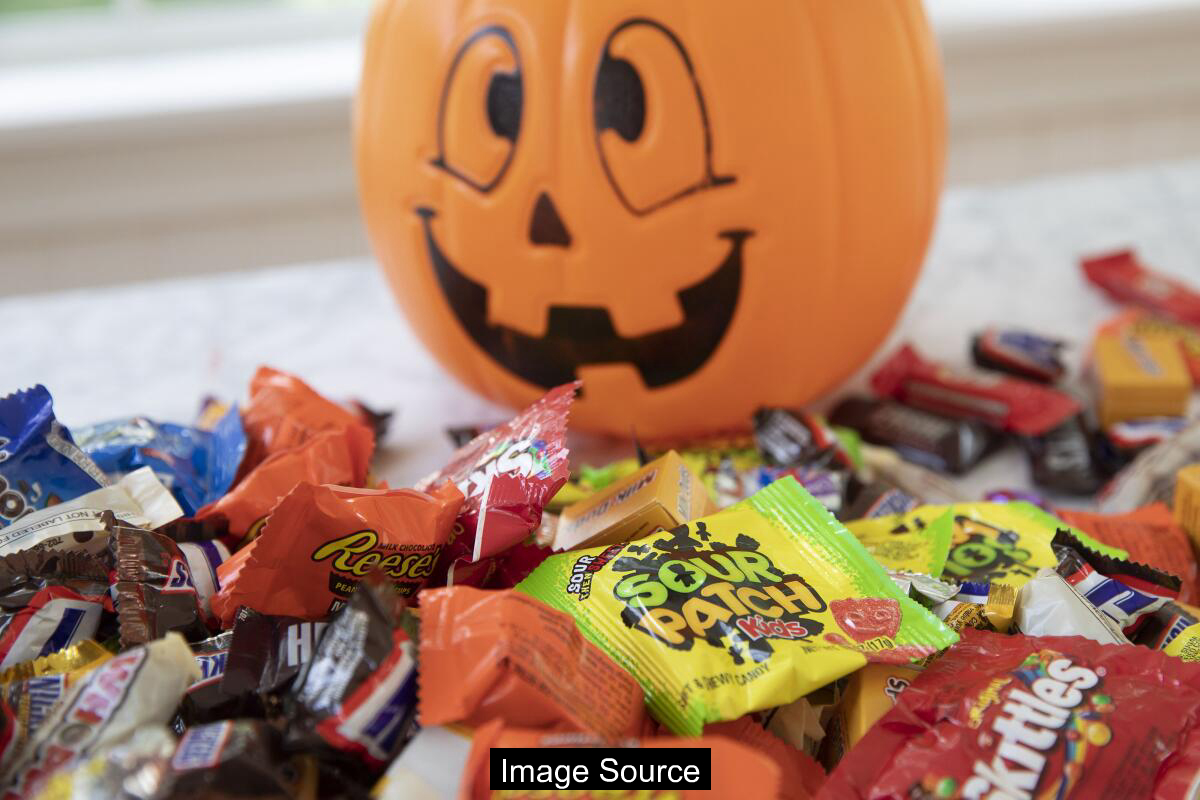
Halloween’s Candy Battlefield
Halloween represents a critical battleground for candy manufacturers, with the holiday accounting for nearly 18% of annual U.S. candy sales. This season has become a pivotal moment for chocolate companies facing unprecedented market challenges. High cocoa prices are forcing strategic recalibrations across the industry.
Recent data reveals a stark market shift: chocolate candy volumes dropped 6% while non-chocolate alternatives surged 8.3%. Consumers are increasingly gravitating toward cheaper, trendier options like sour gummies. This trend signals a potential long-term transformation in candy consumption patterns.
Market dynamics are complex, with pricing pressures and changing consumer preferences creating a volatile landscape. Chocolate makers are responding through innovative strategies, including promotional campaigns, limited-edition flavors, and portfolio diversification.
Price Pressures and Consumer Choices
Cocoa futures remain historically elevated, despite recent declines from record highs. These sustained high prices are compelling chocolate manufacturers to implement creative solutions to maintain market share. Strategies include reducing cocoa content and introducing more affordable product lines.
Consumer research indicates a growing willingness to explore alternative candy options. More than half of shoppers now prioritize gummy candies during Halloween spending. This shift represents a significant challenge for traditional chocolate brands.
Companies like Sugarfina are capitalizing on this trend, with gummy products comprising up to 85% of their offerings. The profitability of gummy candies has increased relative to chocolate, making them an attractive alternative for both manufacturers and consumers.
Industry Adaptation Strategies
Major chocolate companies are implementing multifaceted approaches to combat market challenges. Mondelez International, for instance, is prioritizing gummies in the American market and launching more affordable product lines. Their CEO acknowledges the current market slowdown and is actively seeking solutions.
Hershey Co. has introduced innovative product offerings, including Halloween-themed gummy collections and unconventional flavor combinations. These strategies aim to maintain consumer engagement and compete with emerging candy trends.
Some manufacturers, like Guittard Chocolate Co., are focusing on maintaining consistency in their core products. They recognize that while innovation is important, consumers also value familiarity in their favorite treats.
Market Insights and Consumer Trends
Industry experts like Sally Lyons Wyatt describe the current market as a competitive ‘jump ball’ between chocolate and non-chocolate offerings. The ongoing battle reflects broader shifts in consumer preferences and economic constraints.
Seasonal creativity plays a significant role in candy selection. Haribo’s seasonal brand manager notes that gummies offer unique opportunities for innovative marketing that traditional chocolate cannot match.
Nostalgia remains a powerful factor, with some consumers still preferring chocolate during holiday seasons. However, price sensitivity is increasingly influencing purchasing decisions.
Common Questions About Halloween Candy
Halloween candy trends raise numerous questions for consumers and industry observers. Understanding the current market dynamics can help shoppers make informed choices and appreciate the complex landscape of seasonal confectionery.
Q1. Why are gummy candies becoming more popular?
A1. Gummy candies offer lower production costs, innovative flavors, and more affordable pricing compared to chocolate, making them increasingly attractive to budget-conscious consumers.
Q2. How are chocolate companies responding to market challenges?
A2. Chocolate manufacturers are diversifying product lines, introducing more affordable options, creating limited-edition flavors, and expanding into alternative candy categories like gummies.
Strategic Outlook
The Halloween candy market represents a microcosm of broader consumer trends, reflecting economic pressures, changing preferences, and innovative industry responses. Chocolate makers must continue adapting to maintain their market position.
Future success will likely depend on a balanced approach combining traditional offerings with innovative products. Companies that can effectively manage pricing, maintain product quality, and respond to consumer preferences will be best positioned for growth.
As the candy landscape continues evolving, consumers can expect more diverse and creative offerings in the coming years. The ongoing competition between chocolate and non-chocolate options promises continued innovation and excitement in the confectionery market.
Source: latimes.com