A group of Disney shareholders has filed a formal challenge against the network’s decision to suspend late-night host Jimmy Kimmel following controversial comments. The dispute centers on the potential financial and reputational implications of the suspension, which has drawn significant media attention in recent weeks.
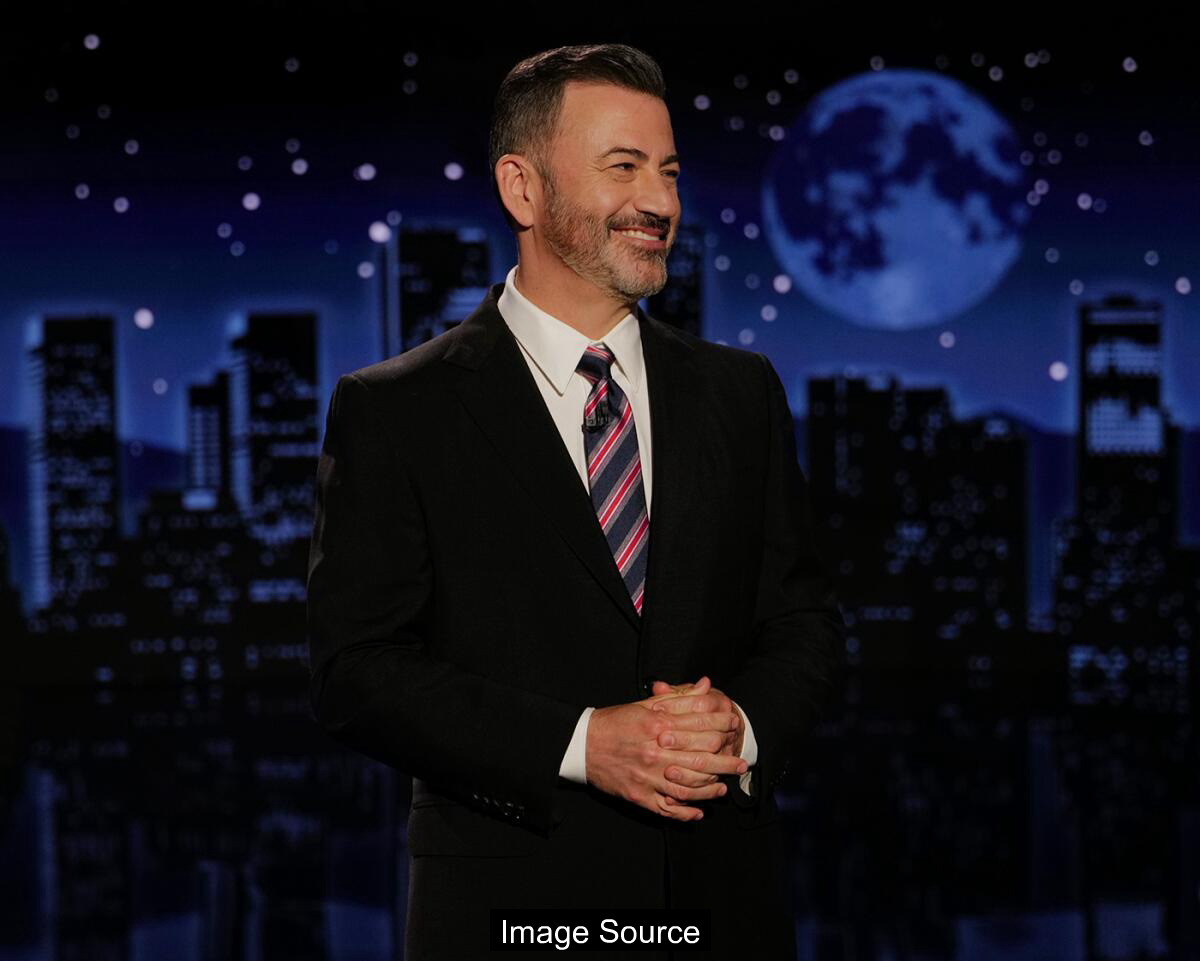
A group of Walt Disney Co. shareholders is demanding the company provide detailed information about the suspension of late-night host Jimmy Kimmel. The request comes after Disney suspended and then quickly reinstated Kimmel’s show following controversial comments about a conservative activist’s shooter. The shareholders, represented by the American Federation of Teachers union and Reporters Without Borders, are seeking clarity on the decision-making process behind the suspension.
The suspension occurred after intense political pressure, particularly from FCC Chairman Brendan Carr, who suggested potential consequences for TV stations carrying Kimmel’s show. In response, major television station groups like Nexstar Media Group and Sinclair Broadcast Group preemptively announced they would not air ‘Jimmy Kimmel Live!’ This swift reaction sparked a broader debate about free speech and potential government interference in media programming.
Political Controversy and Celebrity Response
The incident quickly escalated into a nationwide political firestorm, with protesters demonstrating outside Disney’s Hollywood and Burbank locations. Over 400 celebrities signed an open letter condemning what they perceived as attempts at government censorship. The controversy highlighted the increasingly polarized media landscape and the potential risks for entertainers who make politically charged statements.
Disney’s initial suspension was framed as an attempt to ‘avoid further inflaming a tense situation,’ but the decision raised significant questions about corporate decision-making under political pressure. The company’s rapid reinstatement of Kimmel’s show further complicated the narrative, suggesting a complex negotiation between maintaining public image and protecting artistic expression.
Shareholders are now questioning whether Disney’s leadership violated their fiduciary responsibilities by potentially prioritizing political considerations over the company’s best interests. The letter sent by the shareholders demands access to internal records, meeting minutes, and other documentation related to the suspension decision.
Broader Implications for Media and Free Speech
The Kimmel controversy represents a significant moment in the ongoing dialogue about free speech, media accountability, and the role of entertainment in political discourse. It demonstrates the delicate balance media companies must maintain between protecting their talent, responding to public sentiment, and navigating complex political landscapes.
The incident also underscores the increasing influence of government officials in media decision-making. FCC Chairman Brendan Carr’s public comments and implied threats highlight the potential for governmental pressure to impact media programming and content creation.
As the situation continues to develop, it remains to be seen how Disney will respond to the shareholders’ demands and what long-term implications this controversy might have for media companies, entertainers, and the broader conversation about free expression in the United States.
Source: latimes.com