Silicon Valley executives gathered for a private dinner with former President Donald Trump at his Mar-a-Lago resort, signaling a potential thawing of tensions between the tech industry and the political figure. The exclusive meeting, which included prominent leaders from major technology companies, comes amid ongoing discussions about artificial intelligence regulation and digital platform policies.
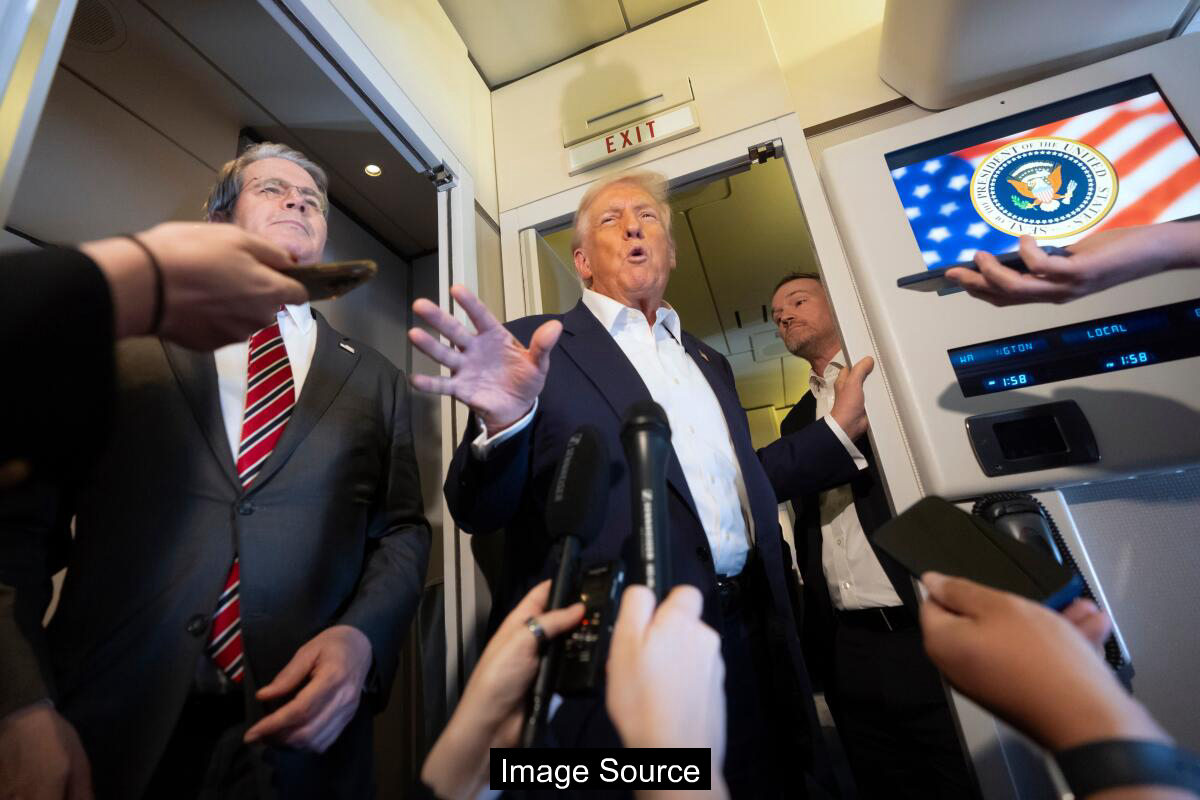
Trump’s Strategic Business Dinner in Japan
President Trump hosted a high-profile dinner with prominent business leaders from Japan and the United States, signaling a strategic approach to international economic collaboration. The gathering included top executives from major corporations such as Salesforce, Apple, Rakuten, SoftBank, Honda, and Anduril Industries. Notable attendees comprised Tim Cook, Marc Benioff, Masayoshi Son, and Palmer Luckey, representing a cross-section of technology, automotive, and investment sectors.
During the event, Trump emphasized the strength of Japanese business leadership, declaring that the United States would not disappoint these influential corporate figures. The dinner, held at the U.S. Ambassador’s residence, served as a platform to reinforce diplomatic and economic ties between the two nations. Commerce Secretary Howard Lutnick played a key role in announcing potential investment frameworks emerging from this strategic meeting.
The evening’s menu reflected the diplomatic atmosphere, featuring a carefully curated selection of dishes including vegetable spring rolls, salad, stuffed pasta, and an apple crumble tart. Such meticulously planned events underscore the importance of personal interactions in high-level international business negotiations.
Investment Framework Details
The dinner was underpinned by a significant trade framework negotiated earlier in the year, wherein Trump lowered and capped tariffs on Japanese goods in exchange for a substantial investment commitment. The agreement outlined a potential $550 billion investment in U.S. projects, representing a complex diplomatic and economic arrangement.
Commerce Secretary Lutnick highlighted that the deals discussed could potentially account for approximately $490 billion in investment. However, he cautioned that many plans remained preliminary, and the cost figures represented the upper range of potential investments. This nuanced approach demonstrated the careful negotiation process underlying international economic partnerships.
Interpretations of the investment fund varied between the United States and Japan. Trump previously characterized the $550 billion as funds the administration could invest with 90% of profits returning to the United States. Conversely, Japan viewed the pledge as a combination of investments, loans, and loan guarantees, focusing on supporting Japanese firms’ projects in the U.S. market.
Corporate Participation Insights
The dinner brought together an impressive array of corporate leaders representing diverse industries and technological domains. Companies like Toyota, SoftBank, Honda, and technology firms such as Salesforce and Anduril Industries signaled their commitment to cross-border economic collaboration.
Each participant represented significant potential for technological transfer, investment, and strategic partnerships. The presence of leaders like Tim Cook from Apple and Masayoshi Son from SoftBank underscored the meeting’s importance in fostering international business relationships.
The event demonstrated how high-level diplomatic gatherings can serve as catalysts for complex economic negotiations, bridging corporate interests across national boundaries.
FAQ: Understanding the Investment Framework
Q1. What is the primary goal of the U.S.-Japan investment framework?
A1. The framework aims to facilitate Japanese investments in U.S. projects while reducing trade barriers, creating mutual economic benefits through strategic collaboration.
Q2. How do the United States and Japan differ in interpreting the investment commitment?
A2. The U.S. views the fund as directly investable with high profit returns, while Japan sees it as a broader mechanism supporting Japanese corporate projects in the United States.
Strategic Pointers
The diplomatic dinner represented more than a social gathering; it was a carefully orchestrated economic strategy. By bringing together top business leaders, the event facilitated direct communication and potential collaboration across multiple sectors.
Key outcomes included potential investments in technology, automotive, and infrastructure domains. The framework demonstrated a sophisticated approach to international economic diplomacy, moving beyond traditional trade negotiations.
Future developments will likely depend on continued dialogue, mutual understanding, and the ability of corporate leaders to translate diplomatic goodwill into concrete economic initiatives. The success of such frameworks hinges on sustained commitment and shared economic objectives.
※ This article summarizes publicly available reporting and is provided for general information only. It is not legal, medical, or investment advice. Please consult a qualified professional for decisions.
Source: latimes.com