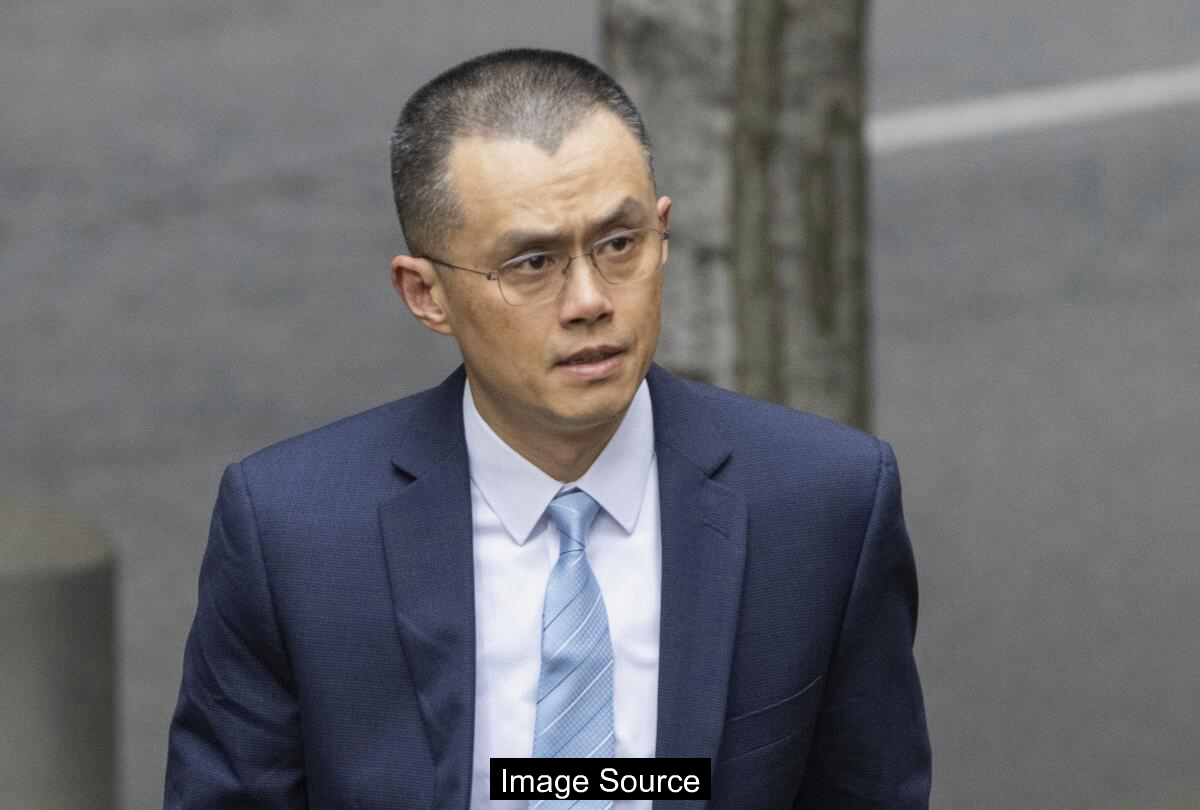
Former U.S. President Donald Trump has issued a presidential pardon to Changpeng Zhao, the founder and former CEO of cryptocurrency exchange Binance, who faced significant legal challenges in recent years. The clemency comes after Zhao pleaded guilty to money laundering violations and stepped down from his leadership role at the global crypto platform in November 2023. The pardon marks a notable intervention in a high-profile case that had implications for the cryptocurrency industry’s regulatory landscape.
Binance Founder’s Pardon: Background and Context
President Trump has pardoned Changpeng Zhao (CZ), the founder of Binance, the world’s largest cryptocurrency exchange, who previously served a four-month prison sentence for violating banking regulations. The pardon comes after Zhao was convicted of failing to prevent criminals from using his platform for illegal transactions involving child sex abuse, drug trafficking, and terrorism.
Zhao’s legal troubles stemmed from significant violations of the Bank Secrecy Act, which requires financial institutions to monitor transactions and identify customers. He was the first person ever sentenced to prison for such violations, with prosecutors arguing that his approach to U.S. banking requirements was deliberately negligent.
The pardon reflects Trump’s broader stance toward the cryptocurrency industry, characterized by a hands-off regulatory approach and significant support from crypto businesses during his 2024 election campaign.
Political and Personal Motivations
Trump’s decision to pardon Zhao appears to be influenced by multiple factors, including criticism of the Biden administration’s crypto enforcement strategies and potential personal business connections. The White House press secretary suggested that the previous administration had pursued an ‘egregious oversentencing’ against Binance.
The Trump family has direct financial interests in cryptocurrency ventures, including a stablecoin project launched by World Liberty Financial. Notably, an investment fund in the United Arab Emirates used $2 billion worth of their stablecoin to purchase a stake in Binance, suggesting potential conflicts of interest.
Zhao himself acknowledged his failures in court, stating, ‘I failed here. I deeply regret my failure, and I am sorry.’ His pardon represents a significant moment for the cryptocurrency industry, which has long complained about ‘regulation by enforcement’ under previous administrations.
Zhao’s Background and Binance’s Rise
Changpeng Zhao’s journey to becoming a crypto billionaire is remarkable. Born in rural China, he immigrated to Canada after the 1989 Tiananmen Square massacre. As a teenager, he worked at McDonald’s and became fascinated with the tech industry during his college years.
Zhao founded Binance in 2017, which quickly grew to become the world’s largest cryptocurrency exchange. His company’s explosive growth was partly attributed to an aggressive approach to regulatory compliance, summarized by his reported motto: ‘Better to ask for forgiveness than permission.’.
The pardon does not immediately clarify the potential implications for Binance’s operations, particularly its U.S. subsidiary. However, it signals a potentially more lenient regulatory environment for cryptocurrency businesses under Trump’s administration.
※ This article summarizes publicly available reporting and is provided for general information only. It is not legal, medical, or investment advice. Please consult a qualified professional for decisions.
Source: latimes.com