Johnson & Johnson’s Tylenol brand has encountered fresh challenges following recent public comments by former President Donald Trump that have reignited discussions about the medication’s safety and marketing practices. The renewed scrutiny comes amid ongoing legal and regulatory pressures facing the pharmaceutical industry, with potential implications for consumer trust and product perception.
The Presidential Challenge to Tylenol
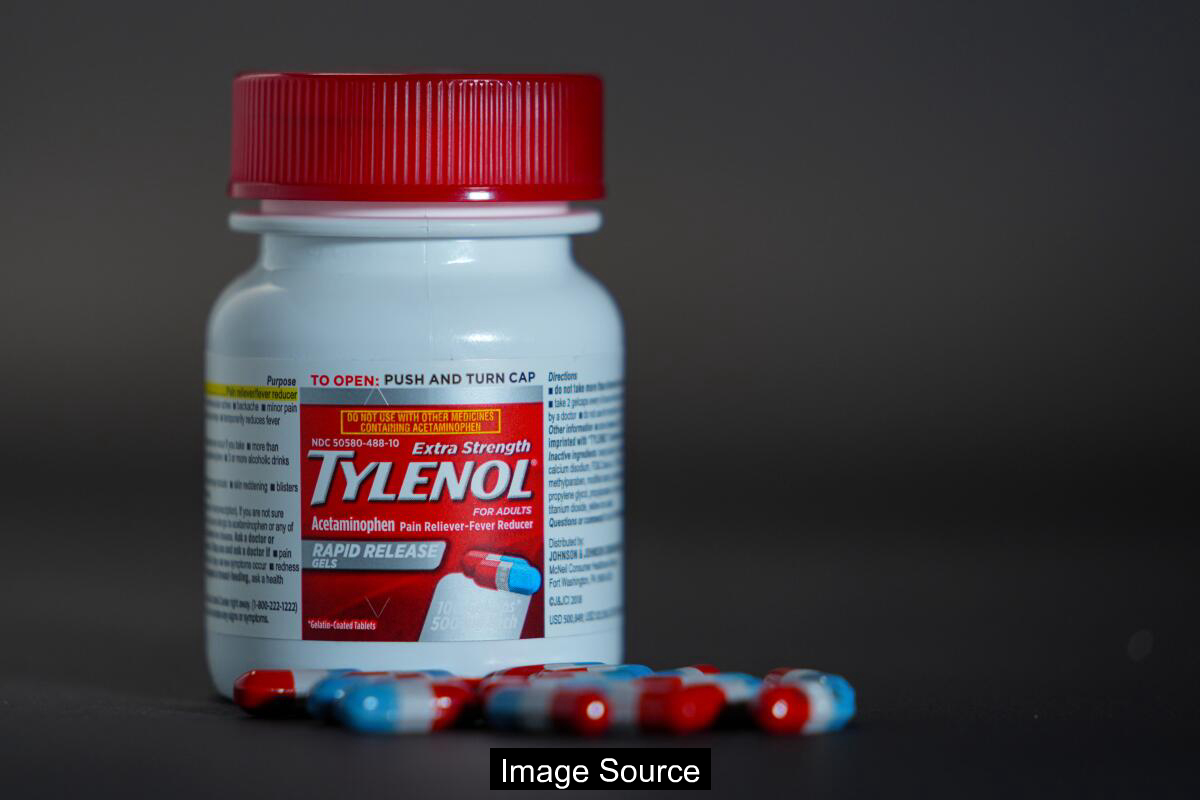
President Trump’s recent public statements about Tylenol have thrust the popular pain reliever into an unexpected national controversy. During a White House news conference, he repeatedly warned pregnant women and mothers against using the medication, citing unproven links to autism. These dramatic claims represent an unprecedented attack on one of America’s most trusted over-the-counter medications.
The allegations are not entirely new, as Tylenol has previously faced numerous lawsuits regarding potential autism connections. Some scientific studies have suggested a possible association between acetaminophen use during pregnancy and autism risk, though many other research efforts have found no substantive link. The medical and scientific communities remain divided on the issue.
Kenvue Inc., the company now manufacturing Tylenol, has swiftly responded to these claims. The organization maintains that credible, independent scientific data shows no proven connection between acetaminophen and autism. Their website prominently features statements from medical associations that directly challenge the autism allegations.
Brand History and Market Position
Tylenol has been a staple in American medicine cabinets since the 1950s, used by approximately 100 million Americans annually. The brand’s journey has not been without challenges, including a notorious cyanide poisoning incident in the 1980s that led to a significant product recall. Despite such historical setbacks, Tylenol has maintained its reputation as a reliable pain reliever.
In 2023, Johnson & Johnson strategically separated its consumer health division, creating Kenvue as an independent entity. This spin-off included not just Tylenol, but also other household brands like Band-Aids and Listerine. The move was intended to create more operational efficiency and allow each business unit greater strategic flexibility.
Currently, Kenvue is navigating multiple legal challenges related to the autism claims. While many previous lawsuits have been dismissed, some are being appealed. The company remains confident in its product’s safety and continues to defend Tylenol’s reputation vigorously.
Understanding the Controversy
The scientific debate surrounding acetaminophen and autism is complex and nuanced. Researchers have conducted numerous studies with varying methodologies and conclusions. Some investigations suggest potential correlations, while others find no meaningful connection between the medication and neurodevelopmental conditions.
Medical professionals emphasize the importance of context when interpreting such research. Correlation does not necessarily imply causation, and many factors can influence autism’s development. Pregnant women are advised to consult healthcare providers about medication use rather than making decisions based on public statements.
Trump’s intervention has amplified existing scientific discussions, potentially increasing public anxiety about a widely used medication. The timing and manner of these claims have raised questions about the motivations behind such dramatic public statements.
Market and Investor Perspectives
Financial analysts have been closely monitoring Tylenol’s situation. Citi Investment Research suggests limited risk of new litigation, though negative headlines could impact consumer behavior. Kenvue’s stock has experienced volatility, dropping approximately 20% in value this year.
Morningstar analyst Keonhee Kim believes consumer loyalty will likely protect the brand. In the consumer healthcare market, established brands often maintain strong customer trust even during challenging periods. Investors seem cautiously optimistic about Tylenol’s long-term prospects.
The stock market’s reaction has been measured. While initial concerns existed about potential product banning or damaging new research, investors have largely maintained confidence in Kenvue’s ability to manage the controversy.
Frequently Asked Questions
Many consumers have questions about the recent claims regarding Tylenol and autism. This section addresses two key inquiries that have emerged during the ongoing discussion.
Q1. Should pregnant women stop using Tylenol based on these claims?
A1. Medical experts recommend consulting with healthcare providers. While some studies suggest potential risks, many professional medical associations have not found conclusive evidence linking acetaminophen to autism.
Q2. How is Kenvue responding to these allegations?
A2. Kenvue is actively refuting the claims, citing scientific research and medical association statements that do not support a direct connection between Tylenol and autism.
Strategic Outlook
The current controversy surrounding Tylenol represents a significant challenge for Kenvue. The company must balance scientific communication, legal defense, and maintaining consumer confidence. Transparent, evidence-based communication will be crucial in navigating this complex situation.
Medical research continues to evolve, and ongoing studies may provide more definitive insights into potential medication risks. Kenvue is likely to support and monitor such research closely, demonstrating its commitment to consumer safety.
For consumers, the key takeaway is to remain informed, consult healthcare professionals, and avoid making medical decisions based on sensationalized claims. Scientific understanding requires nuanced, careful interpretation of research findings.
※ This article summarizes publicly available reporting and is provided for general information only. It is not legal, medical, or investment advice. Please consult a qualified professional for decisions.
Source: latimes.com