U.S. stock markets experienced a significant rally on Wednesday, driven by growing investor optimism about potential interest rate reductions by the Federal Reserve. The Dow Jones Industrial Average and S&P 500 posted substantial gains as traders interpreted recent economic data as signals that the central bank might ease its monetary tightening policy in the coming months.
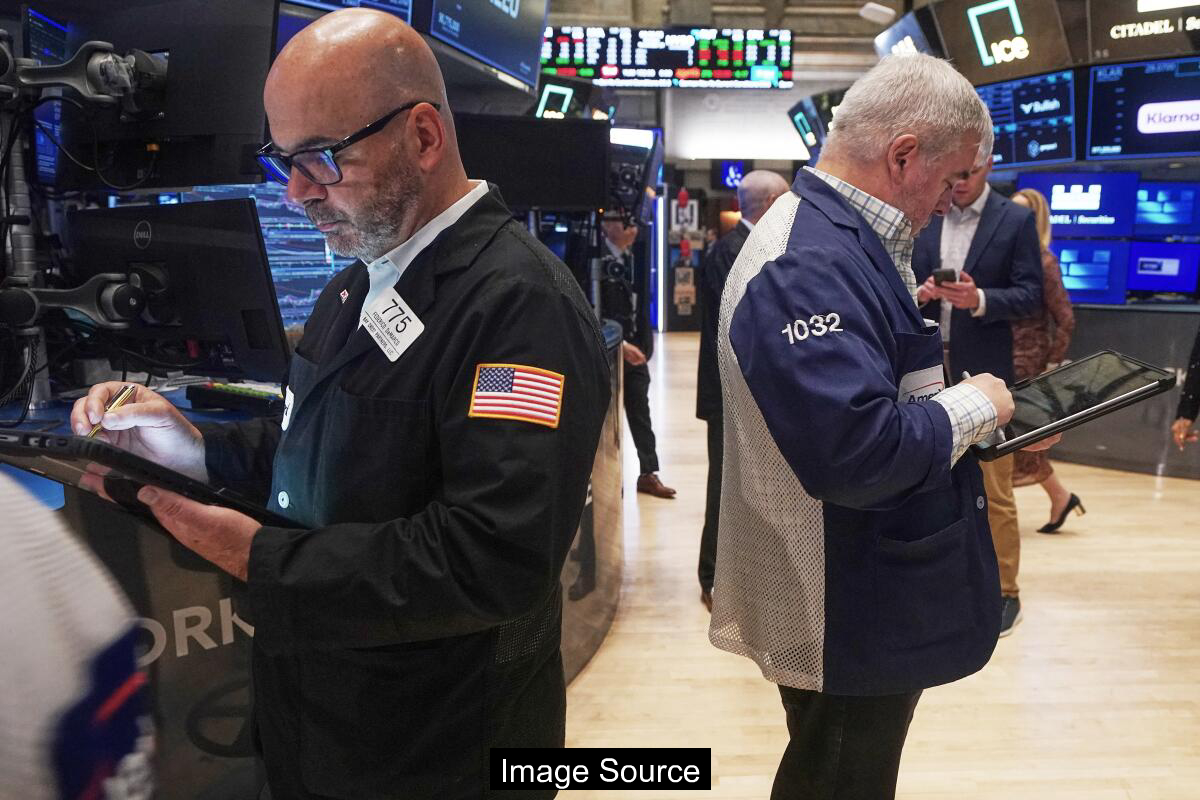
Market Momentum: Stocks Surge on Rate Cut Expectations
The U.S. stock market demonstrated robust performance on Tuesday, driven by growing anticipation of potential interest rate cuts by the Federal Reserve. The Standard & Poor’s 500 index rose 0.9%, positioning itself within 1.8% of its all-time high. The Dow Jones Industrial Average rallied impressively, gaining 664 points, while the Nasdaq composite added 0.7%.
Investor optimism stemmed from easing bond market yields and strong expectations of monetary policy adjustments. Market data from CME Group indicated an 83% probability of a December rate cut, a significant increase from the previous week’s uncertain outlook. Lower interest rates could potentially stimulate economic activity by encouraging borrowing and investment.
Economic indicators released on Tuesday presented a mixed picture. Retail sales in September fell short of economists’ predictions, and consumer confidence declined more than expected. These signals suggested potential economic softening, reinforcing the case for potential interest rate reductions.
Retail Sector Shows Surprising Resilience
Several retailers delivered standout financial performances, defying market expectations. Abercrombie & Fitch experienced a remarkable 37.5% stock surge after reporting better-than-anticipated profits and raising its annual revenue forecast. Kohl’s saw an impressive 42.5% stock jump following a profitable quarter.
Best Buy also demonstrated strength, boosting its full-year profit forecast based on robust performance in computing, gaming, and mobile phone segments. Dick’s Sporting Goods navigated challenges by restructuring its Foot Locker acquisition, with Executive Chairman Ed Stack focusing on inventory management and store optimization.
These positive retail results suggest underlying economic resilience despite concerns about consumer spending and economic uncertainty. The sector’s performance indicates potential adaptation and strategic maneuvering in a complex market environment.
AI Industry: Volatility and Potential
The artificial intelligence sector continued to experience significant market fluctuations. Alphabet saw a 1.5% stock increase, riding momentum from its recently launched Gemini AI model. Conversely, Alibaba reported mixed quarterly results, with strong revenue tempered by profit shortfalls.
Semiconductor companies faced potential disruption following reports of Meta Platforms exploring AI chip purchases from Alphabet. Nvidia and Advanced Micro Devices experienced stock declines, reflecting the sector’s ongoing uncertainty and competitive dynamics.
These developments underscore the complex landscape of AI technology investment, where excitement about technological potential coexists with financial unpredictability.
Understanding Rate Cut Implications
Potential interest rate cuts carry significant economic implications. Lower rates can stimulate borrowing, encourage investment, and potentially mitigate economic slowdown. Smaller companies, which often rely more heavily on borrowed capital, could particularly benefit from such monetary policy adjustments.
Economists like Brian Jacobsen from Annex Wealth Management suggest that maintaining momentum through rate cuts could be crucial for market sentiment. The Federal Reserve’s delicate balance involves supporting economic growth while managing inflationary pressures.
Inflation remains a critical consideration, with recent wholesale price data showing slight variations from economist predictions. The Fed must carefully navigate these economic indicators to implement effective monetary policy.
Market FAQs: Decoding Recent Trends
Investors and market observers often have questions about recent financial developments. This section addresses two key inquiries about current market dynamics and potential future trends.
Q1. What factors are driving the current stock market optimism?
A1. Expectations of Federal Reserve interest rate cuts, strong retail sector performance, and potential AI technological advancements are primary drivers of current market sentiment.
Q2. How might potential rate cuts impact different market sectors?
A2. Rate cuts could particularly benefit smaller companies, technology firms, and sectors dependent on borrowing. However, the impact will vary based on individual company strategies and broader economic conditions.
Strategic Outlook
The current market landscape reflects a complex interplay of technological innovation, monetary policy expectations, and sector-specific performances. Investors should remain attentive to Federal Reserve communications, economic indicators, and emerging technological trends.
Global market indexes demonstrated positive momentum, with European and Asian markets showing notable gains. Germany’s DAX and Shanghai markets both experienced meaningful increases, suggesting broader international market optimism.
As the year progresses, continued monitoring of inflation, consumer confidence, and technological sector developments will be crucial for understanding potential market trajectories.
※ This article summarizes publicly available reporting and is provided for general information only. It is not legal, medical, or investment advice. Please consult a qualified professional for decisions.