The S&P 500 index surged to another record peak on Wednesday, driven by investor optimism about potential Federal Reserve interest rate cuts and strong corporate earnings. Technology stocks led the advance, with major companies like Nvidia and Microsoft contributing significantly to the index’s upward momentum.
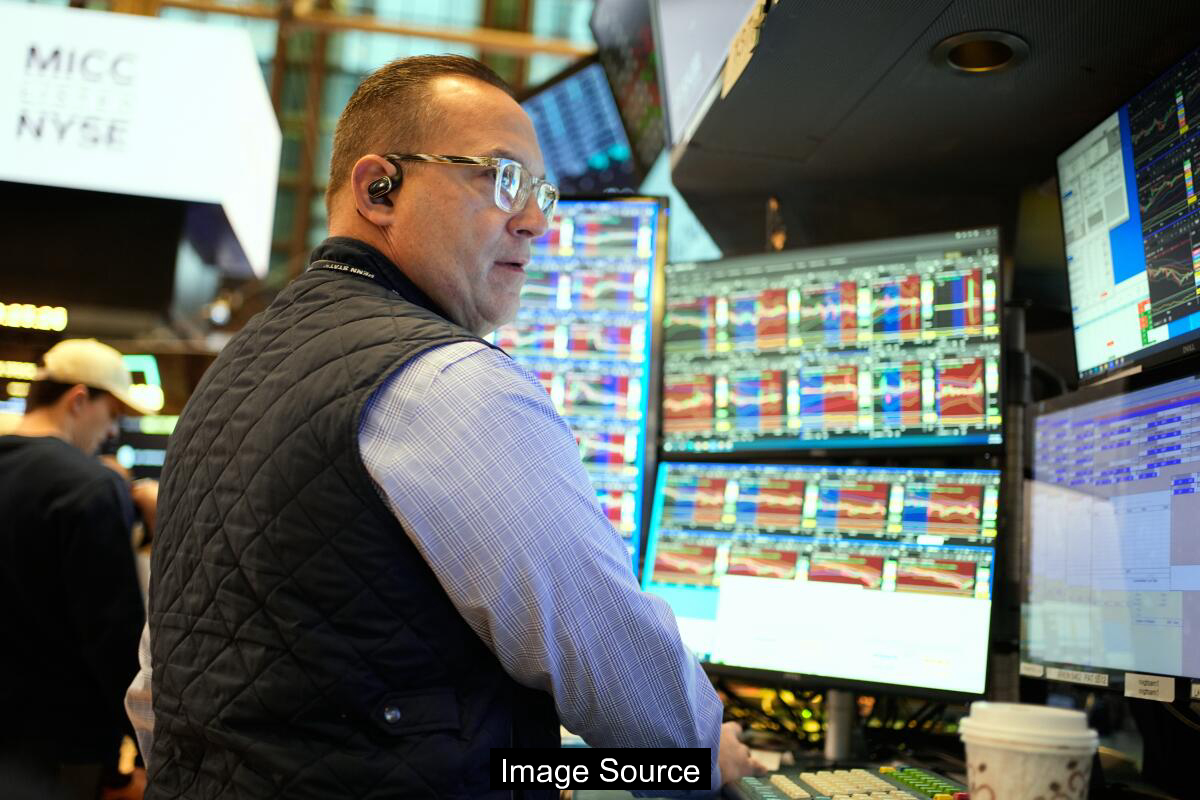
Market Dynamics in a Volatile Economic Landscape
The Standard & Poor’s 500 index reached another record high on Tuesday, propelled by robust technology stocks despite broader market uncertainties. Nvidia and Alphabet emerged as key drivers, demonstrating the significant influence of tech giants in current market performance. The index rose 0.5% to 6,909.79, reflecting the complex economic environment.
Technology stocks have consistently been the primary force pushing major indexes to record levels throughout the year. Companies like Nvidia, which jumped 3%, and Alphabet, rising 1.5%, have played crucial roles in maintaining market momentum. Their outsized valuations continue to disproportionately impact overall market direction.
The market’s resilience comes amid mixed economic signals, including strong quarterly growth and persistent inflation challenges. Investors are carefully navigating these nuanced conditions, balancing potential opportunities with underlying economic uncertainties.
Economic Growth and Inflation Trends
The U.S. economy demonstrated significant growth in the third quarter, expanding at a 4.3% annual rate. This performance builds upon the 3.8% growth experienced in the second quarter, marking a substantial turnaround from the first quarter’s economic contraction.
However, inflation remains a critical concern, with the Federal Reserve’s preferred inflation gauge climbing to a 2.8% annual pace. This rate represents an increase from the 2.1% recorded in the previous quarter, complicating monetary policy decisions.
The Federal Reserve faces a delicate balancing act, weighing inflation risks against emerging signs of labor market weakening. The central bank has already implemented three interest rate cuts in 2025, with uncertain prospects for further reductions in 2026.
Consumer Confidence and Spending Patterns
Consumer confidence has experienced a notable decline, reaching its lowest point since April’s trade tariff implementation. The Conference Board’s latest update highlights growing consumer caution amid persistent economic uncertainties.
Retail sales have shown signs of weakening, with consumers adopting more strategic purchasing behaviors. Visa’s Consulting and Analytics division reported a 4.2% increase in cash and credit card sales from November 1st through the holiday period, compared to a 4.8% increase in the same timeframe last year.
The holiday shopping season reflects this cautious consumer sentiment, with buyers becoming increasingly selective in their spending. High prices and potential trade complications continue to influence consumer decision-making processes.
Market Insights and Global Perspectives
International markets displayed mixed performance, with variations observed across Asian and European exchanges. Commodity markets provided additional economic insights, with gold prices continuing their impressive trajectory.
Gold prices rose 0.8% to $4,505.70 per ounce, representing a remarkable 70% annual increase. Oil markets remained relatively stable, with U.S. benchmark crude rising 0.6% to $58.38 per barrel.
These market movements underscore the complex global economic landscape, characterized by simultaneous growth, inflationary pressures, and cautious investor sentiment.
Market Insights FAQ
What factors are driving current market performance? Technology stocks, particularly companies like Nvidia and Alphabet, are significantly influencing market indexes. Strong quarterly economic growth and strategic investor positioning are contributing to current market dynamics.
How might Federal Reserve decisions impact future market trends? The Fed’s approach to interest rates, balancing inflation concerns with labor market conditions, will be crucial. Potential rate adjustments could substantially affect market sentiment and investment strategies.
Strategic Summary
The current economic landscape presents a nuanced picture of growth, challenges, and opportunities. Technology stocks continue to demonstrate remarkable resilience, offsetting broader market uncertainties.
Investors and policymakers must remain adaptable, carefully monitoring economic indicators, consumer sentiment, and potential shifts in monetary policy. The interplay between growth, inflation, and consumer confidence will likely shape market dynamics in the coming months.
Strategic investment approaches should prioritize diversification, maintain flexibility, and remain attentive to emerging economic trends and potential market disruptions.
※ This article summarizes publicly available reporting and is provided for general information only. It is not legal, medical, or investment advice. Please consult a qualified professional for decisions.