A Los Angeles-based air taxi venture has secured substantial funding to expand its urban air mobility operations in Southern California. The significant $126 million investment signals growing investor confidence in electric vertical takeoff and landing (eVTOL) transportation technologies, with the startup positioning itself to transform regional transit infrastructure.
The Electric Air Taxi Revolution
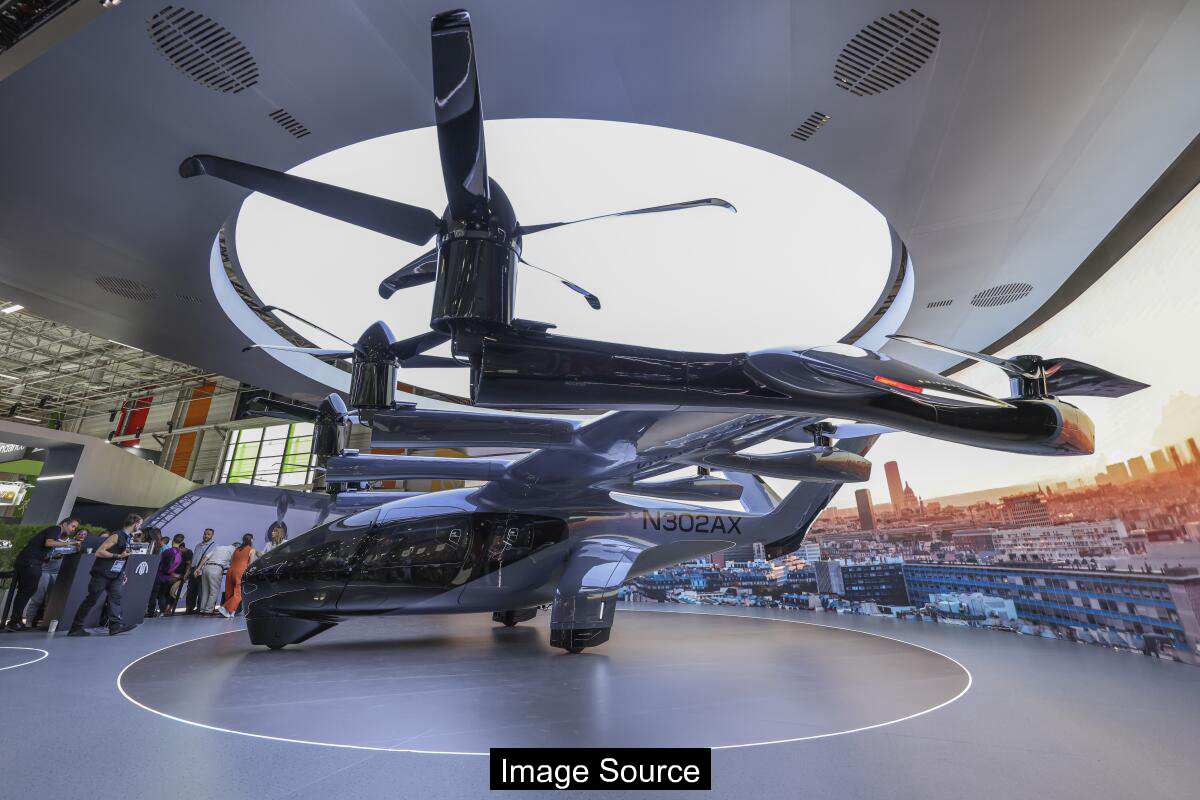
California’s technology landscape is witnessing a transformative moment in transportation with electric vertical takeoff and landing (eVTOL) aircraft. Companies like Archer Aviation are pioneering a new mobility paradigm that promises to reshape urban transit. These innovative aircraft blend helicopter and airplane technologies to create a novel transportation solution for dense metropolitan areas.
The eVTOL concept represents more than a technological marvel; it’s a potential solution to urban congestion and transportation inefficiencies. Silicon Valley firms are investing heavily in developing these flying vehicles, seeing them as the next frontier of personal mobility. The vision extends beyond mere transportation, encompassing a broader reimagining of how people move within and between cities.
Archer Aviation’s recent $126 million acquisition of Hawthorne Airport symbolizes this ambitious vision. The company plans to transform the location into a hub for electric air taxi development and testing, positioning itself at the forefront of this emerging industry. This strategic move underscores the serious commitment technology companies are making to realize the long-imagined dream of flying urban transportation.
California’s Air Mobility Ecosystem
California has emerged as the global epicenter for eVTOL technology, with multiple companies competing to develop viable air taxi solutions. Firms like Joby Aviation, Wisk Aero, and Archer are locked in an intense race to commercialize their respective technologies. Each company brings unique approaches to solving the complex challenges of electric aerial transportation.
The competitive landscape extends beyond technological development to strategic partnerships and market positioning. Companies are not just designing aircraft but also exploring infrastructure, regulatory compliance, and potential service models. Los Angeles, with its sprawling urban geography and wealthy technology-embracing population, represents a prime testing ground for these innovations.
International markets are also showing significant interest in air taxi technologies. Dubai, for instance, has already begun experimenting with point-to-point air taxi flights, demonstrating global potential for this emerging transportation mode. The technology’s appeal spans urban centers seeking innovative solutions to transportation challenges.
Technical and Regulatory Challenges
Developing commercially viable eVTOL aircraft involves overcoming substantial technical hurdles. Battery technology remains a critical constraint, with manufacturers needing to develop power systems capable of supporting multiple flights with minimal charging time. The engineering challenges extend beyond mere propulsion to include safety, noise reduction, and operational reliability.
Regulatory approval represents another significant obstacle for air taxi developers. The Federal Aviation Administration (FAA) maintains stringent certification requirements that can take years to navigate. Companies must demonstrate not just technological feasibility but also comprehensive safety protocols that meet or exceed existing aviation standards.
Safety considerations are paramount in public perception and regulatory approval. Companies like Wisk Aero are exploring fully autonomous designs to eliminate potential human error. Others, such as Archer, are implementing extensive redundancy systems to ensure operational safety. These approaches reflect the industry’s commitment to establishing trust in this emerging transportation technology.
Community and Environmental Perspectives
Public reception to eVTOL technology remains mixed, with significant concerns about noise, safety, and potential environmental impact. Advocacy groups like the Aviation-Impacted Communities Alliance have called for stricter oversight and comprehensive environmental assessments. These perspectives highlight the complex social dimensions of introducing radical transportation technologies.
Noise pollution represents a critical consideration for urban air mobility. Manufacturers argue that electric aircraft generate substantially less noise compared to traditional helicopters. Companies like Joby emphasize their commitment to developing nearly silent flight technologies that minimize community disruption.
Environmental sustainability is another key consideration. Electric vertical takeoff and landing aircraft promise reduced carbon emissions compared to traditional transportation modes. However, comprehensive lifecycle assessments are necessary to fully understand their ecological footprint.
Frequently Asked Questions
What is an eVTOL aircraft? An electric vertical takeoff and landing aircraft is a type of aircraft that can hover, take off, and land vertically using electric propulsion systems. These vehicles combine helicopter-like vertical movement with airplane-style forward flight capabilities.
When might air taxis become commercially available? Industry experts suggest commercial air taxi services could emerge within the next 5-10 years, with initial deployments likely happening during high-profile events like the 2028 Los Angeles Olympics.
Future Outlook
The air taxi industry stands at a critical inflection point, balancing technological innovation with practical implementation. Companies like Archer Aviation are not just developing aircraft but constructing entire ecosystem infrastructures to support these revolutionary transportation modes.
Economic projections suggest significant potential for air mobility technologies. Initial services will likely target premium markets, with costs comparable to high-end ridesharing services. As technology matures and production scales, prices could become increasingly competitive.
The next decade will be pivotal in determining whether electric air taxis represent a transformative transportation solution or remain a niche technological experiment. Success will depend on continued technological innovation, regulatory cooperation, and public acceptance.
※ This article summarizes publicly available reporting and is provided for general information only. It is not legal, medical, or investment advice. Please consult a qualified professional for decisions.