The U.S. Federal Reserve has decided to maintain its current interest rate, but has signaled plans for a single rate cut in the near future. This decision comes amid heightened tensions between the United States and Iran, which have raised concerns about potential economic impacts.
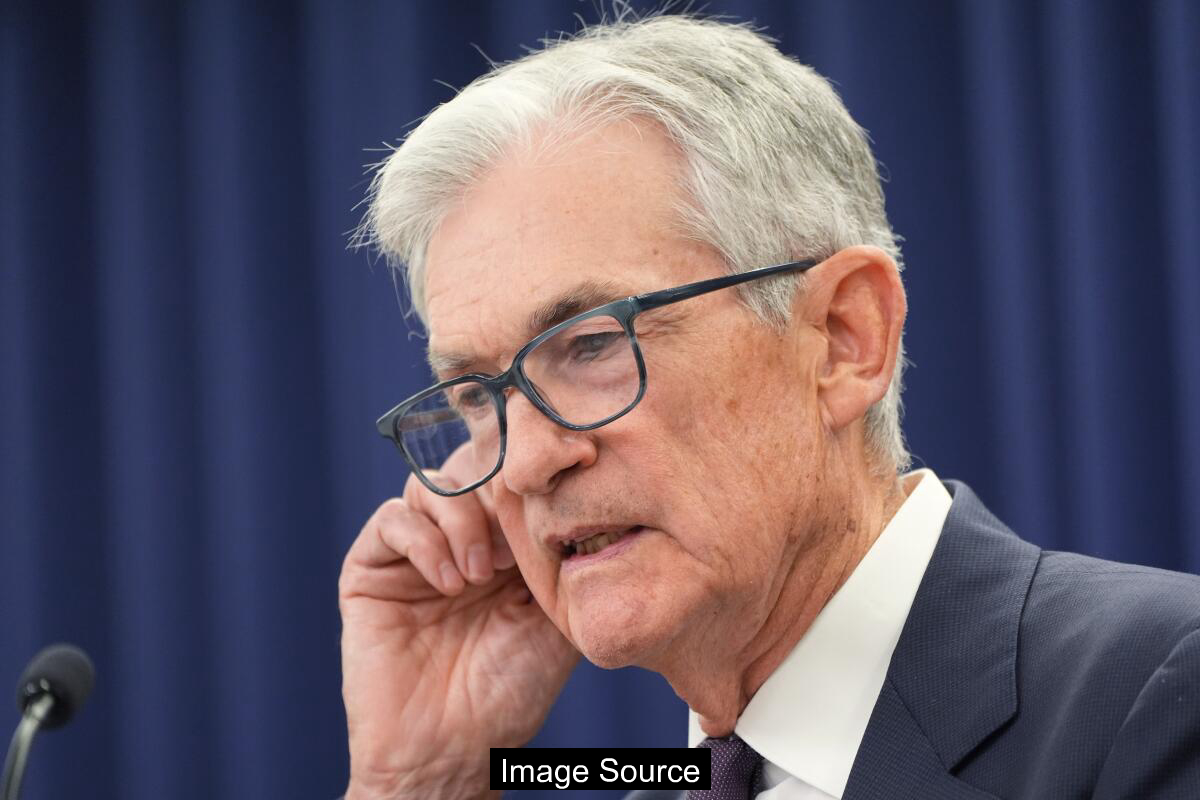
The Fed’s Balancing Act Amid the Iran War
As the Federal Reserve prepares for its latest policy meeting, the central bank finds itself navigating a delicate balancing act. On one hand, the ongoing Iran war has sent gas prices soaring, fueling concerns about higher inflation. On the other, the economic fallout from the conflict could also weigh on growth and employment. It’s a challenging scenario for policymakers, who must determine the appropriate course of action to address these competing pressures.
According to the latest projections, Fed officials expect the Iran war to worsen inflation this year, with the central bank’s preferred measure of price growth reaching 2.7% by the end of 2026. However, they still anticipate only a modest impact on economic growth, forecasting that unemployment will remain unchanged. This suggests the Fed believes the inflationary effects of the conflict may be largely temporary, provided the hostilities are resolved in the near future.
The central bank’s balancing act is further complicated by the fact that this week’s meeting is among the last with Jerome Powell as chair. President Trump has nominated former Fed official Kevin Warsh to replace him, but Warsh’s confirmation has been delayed due to a Justice Department investigation into Powell’s testimony about a building renovation. This adds an element of uncertainty to the Fed’s decision-making process as it grapples with the economic implications of the Iran war.
Inflation Concerns and the Fed’s Response
One of the key challenges facing the Fed is the spike in inflation driven by the Iran war. The central bank’s preferred measure of price growth, which excludes volatile food and energy categories, is now expected to reach 2.7% by the end of 2026, up from a previous forecast of 2.5%. This reflects the sharp rise in gas prices, which have soared by 93 cents per gallon nationwide over the past month.
The jump in gas prices could have a significant impact on consumer spending, as more of household budgets are diverted to fuel costs, leaving less money for other goods and services. This, in turn, could lead to higher unemployment as businesses feel the pinch of weaker demand. It’s a scenario that would typically prompt the Fed to cut interest rates to stimulate the economy.
However, the central bank’s mandate to maintain price stability means it must also consider raising rates to combat the inflationary pressures. This delicate balancing act is further complicated by the uncertainty surrounding the duration and severity of the Iran conflict, which will largely determine the long-term impact on inflation and the broader economy.
The Fed’s Economic Projections and Outlook
Despite the challenges posed by the Iran war, the Fed’s latest economic projections suggest a relatively optimistic outlook. Policymakers expect inflation to fall back to 2.2% in 2027 and reach the central bank’s 2% target in 2028, indicating they believe the inflationary effects of the conflict will be temporary.
Moreover, the Fed forecasts that unemployment will remain unchanged by the end of this year, a more positive assessment than most outside economists. This suggests the central bank believes the economic fallout from the Iran war will be manageable, at least in the near term.
However, the accuracy of these projections will largely depend on the duration and intensity of the conflict. If the hostilities drag on or escalate further, the economic impact could be more severe, potentially forcing the Fed to revise its outlook and adjust its policy stance accordingly.
The Transition at the Fed’s Helm
Adding to the complexity of the Fed’s decision-making is the impending transition in the central bank’s leadership. This week’s meeting will be among the last with Jerome Powell as chair, as his term is set to expire on May 15.
President Trump has nominated former Fed official Kevin Warsh to replace Powell, but Warsh’s confirmation has been delayed due to a Justice Department investigation into Powell’s testimony about a building renovation. This uncertainty surrounding the Fed’s leadership could influence the central bank’s policy decisions, as the incoming chair may have a different approach to addressing the economic challenges posed by the Iran war.
If Warsh is not confirmed by May 15, Powell could remain as chair of the Fed’s rate-setting committee until a replacement is named. This would provide a measure of continuity during a critical period, but it would also mean the central bank’s policy direction could shift once a new chair is in place.
Mini-FAQ: The Fed’s Balancing Act
Q: How is the Fed balancing the competing pressures of higher inflation and potential economic slowdown from the Iran war?
A: The Fed is in a delicate balancing act, as it must address the inflationary pressures from the spike in gas prices while also considering the potential impact on growth and employment. The central bank’s latest projections suggest it expects the inflationary effects to be largely temporary, but the duration and severity of the conflict will be a key factor in determining the appropriate policy response.
Q: What are the implications of the leadership transition at the Fed for its decision-making?
A: The impending transition in the Fed’s leadership, with Jerome Powell’s term as chair set to expire on May 15, adds an element of uncertainty to the central bank’s decision-making process. The nomination of former Fed official Kevin Warsh to replace Powell has been delayed, and if Warsh is not confirmed by the deadline, Powell could remain as chair until a replacement is named, providing a measure of continuity during this critical period.
Investor Takeaways
For investors, the Fed’s balancing act amid the Iran war presents a complex and uncertain landscape. The central bank’s ability to navigate the competing pressures of higher inflation and potential economic slowdown will be closely watched, as it could have significant implications for financial markets.
Investors will be closely monitoring the Fed’s policy decisions, particularly any changes to its interest rate projections, as well as the central bank’s assessment of the economic impact of the Iran conflict. The transition in the Fed’s leadership also adds an element of uncertainty, as the incoming chair may have a different approach to addressing the economic challenges.
Given the fluid nature of the situation, investors would be wise to maintain a cautious and diversified approach, as the economic and market implications of the Iran war could evolve rapidly. Staying informed and adaptable will be key in navigating the challenges and opportunities that may arise in the months ahead.
What Changes Now
The Federal Reserve’s policy meeting this week comes at a critical juncture, as the central bank grapples with the economic fallout from the ongoing Iran war. The sharp rise in gas prices has fueled concerns about higher inflation, while the potential impact on growth and employment adds to the complexity of the Fed’s decision-making.
Despite the challenges, the Fed’s latest projections suggest a relatively optimistic outlook, with policymakers expecting inflation to fall back to the central bank’s 2% target by 2028 and unemployment to remain unchanged by the end of this year. However, the accuracy of these forecasts will largely depend on the duration and severity of the Iran conflict.
Adding to the uncertainty is the impending transition in the Fed’s leadership, with Jerome Powell’s term as chair set to expire on May 15. The nomination of former Fed official Kevin Warsh to replace Powell has been delayed, and if Warsh is not confirmed by the deadline, Powell could remain as chair until a replacement is named, providing a measure of continuity during this critical period.
※ This article summarizes publicly available reporting and is provided for general information only. It is not legal, medical, or investment advice. Please consult a qualified professional for decisions.