U.S. retailers experienced a robust digital shopping season, with online holiday sales climbing to record levels despite ongoing inflation concerns. Early data from market research firms indicates that consumers continued to spend, leveraging promotional deals and seeking value across multiple e-commerce platforms.
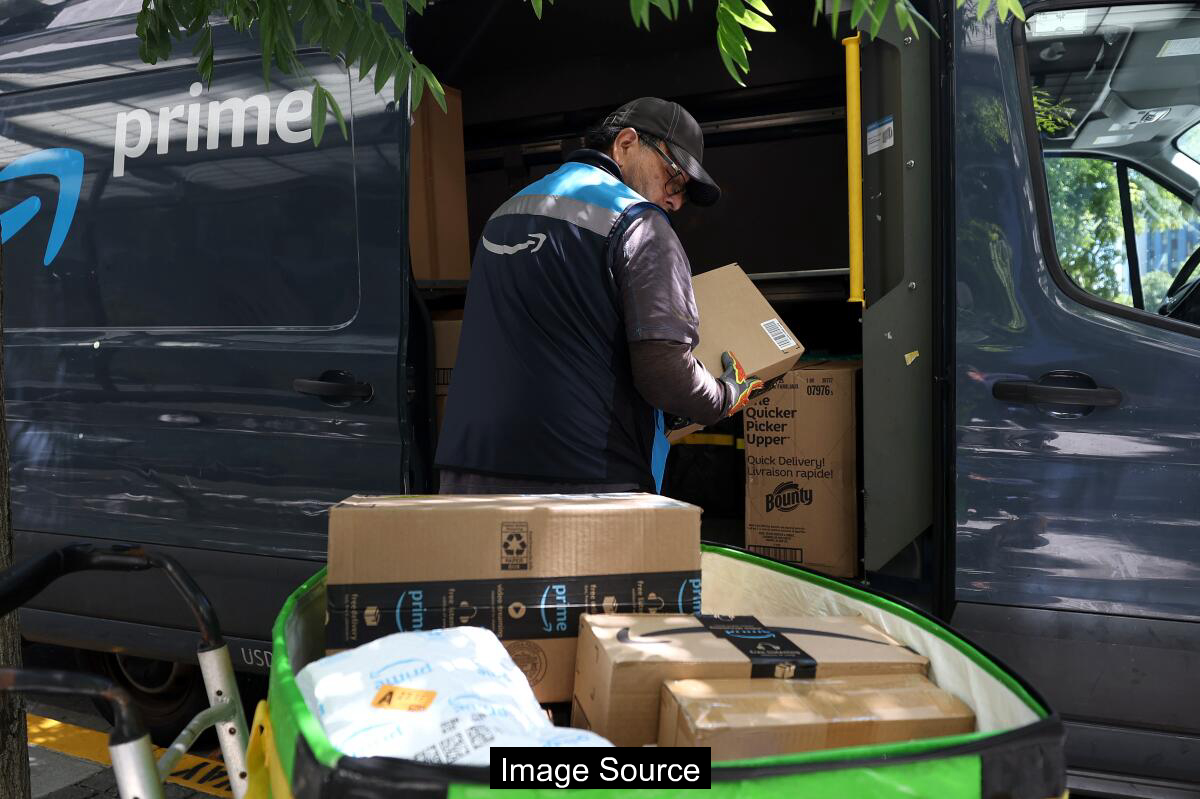
Holiday Shopping Surge: A Digital Spending Landscape
The 2025 holiday shopping season demonstrated remarkable consumer resilience, with online spending reaching a record $257.8 billion. Adobe Analytics tracked this impressive growth, revealing a nearly 7% increase compared to the previous year’s digital commerce performance. Consumers navigated economic uncertainties with strategic purchasing behaviors.
Cyber Monday emerged as the pinnacle of online shopping, generating $14.25 billion in transactions. Shoppers strategically sought significant discounts, particularly on high-ticket items like electronics, furniture, and appliances. Many consumers leveraged payment methods allowing delayed purchases of expensive gadgets.
Technological innovations played a crucial role in shaping shopping experiences. AI-powered chatbots and social media platforms facilitated product research and deal discovery. Notably, traffic from AI sources demonstrated higher conversion rates compared to traditional browsing channels.
Technology’s Shopping Transformation
Artificial intelligence revolutionized the online shopping landscape during the holiday season. Consumers increasingly relied on AI tools to compare product features, especially for complex purchases like electronics and appliances. The integration of advanced technologies simplified decision-making processes.
Popular tech products like the Apple Watch Series 11 and Ray-Ban Meta glasses captured significant consumer interest. Electronics spending reached $59.8 billion, representing an 8% year-over-year increase. Gaming consoles, video games, and innovative toy sets like Lego Icons also saw substantial demand.
Smartphone usage for online shopping continued its upward trajectory. Consumers appreciated the convenience of comparing prices and accessing deals through mobile platforms. This trend underscores the growing intersection of technology and retail experiences.
Economic Complexity: The K-Shaped Reality
Economists characterized the current economic landscape as ‘K-shaped,’ highlighting stark disparities between high and low-income households. Bank of America’s report revealed significant spending variations across economic strata. Higher-income households increased spending by 2.6%, while lower-income groups managed only a 0.6% increase.
Inflation remained a persistent concern for consumers. Approximately 72% of Pacific region consumers cited economic pressures as a primary consideration in their spending decisions. This economic uncertainty did not entirely suppress consumer enthusiasm but certainly influenced purchasing strategies.
Online shopping emerged as a strategic approach for consumers seeking value. The digital marketplace offered unprecedented price transparency and comparison capabilities. Consumers viewed e-commerce as an effective method to maximize purchasing power amid economic challenges.
Consumer Insights and Spending Patterns
Discount strategies played a pivotal role in driving holiday purchases. Consumers found attractive price reductions, with some electronics discounted up to 30%. The willingness to spend remained contingent on perceived value and competitive pricing.
Diverse product categories experienced varied levels of consumer interest. Smartwatches, refrigerators, puzzles, and holiday decorations represented the breadth of purchasing behaviors. This diversity reflected consumers’ adaptability and nuanced spending approaches.
Payment flexibility emerged as another critical factor influencing purchasing decisions. Buy-now-pay-later options and innovative financial technologies provided consumers with greater purchasing autonomy. These mechanisms allowed individuals to manage expenses more strategically.
Frequently Asked Questions
How did AI impact holiday shopping in 2025? AI-powered tools significantly enhanced product research and deal discovery. Chatbots and recommendation systems provided personalized shopping experiences, with AI-sourced traffic showing higher conversion rates.
What factors influenced consumer spending during the holiday season? Economic uncertainties, attractive discounts, technological innovations, and flexible payment options collectively shaped consumer purchasing behaviors. The ability to find value remained paramount in decision-making processes.
Strategic Pointers
The 2025 holiday shopping season demonstrated remarkable consumer adaptability. Despite economic complexities, individuals found innovative ways to maximize purchasing power through digital platforms and strategic spending.
Technological integration continues to transform retail experiences. AI, mobile platforms, and advanced payment technologies are reshaping how consumers discover, evaluate, and purchase products. Retailers must remain agile in responding to these evolving consumer preferences.
Looking forward, experts anticipate continued exploration of digital shopping strategies. Major events like Valentine’s Day and Mother’s Day present opportunities for retailers to engage consumers through targeted discounts and personalized experiences.