The International Monetary Fund reported a significant slowdown in worldwide economic expansion, with growth rates struggling to rebound to pre-pandemic trajectories. Persistent challenges including geopolitical tensions, inflationary pressures, and uneven recovery across different regions have contributed to the subdued economic performance, signaling potential long-term structural shifts in the global economic landscape.
Global Economic Landscape in Transition
The United Nations has released its latest economic forecast, painting a nuanced picture of global economic dynamics. The projection indicates a modest global growth of 2.7% for the current year, slightly lower than previous estimates. This forecast reflects the complex interplay of economic, geopolitical, and technological factors reshaping the international economic environment.
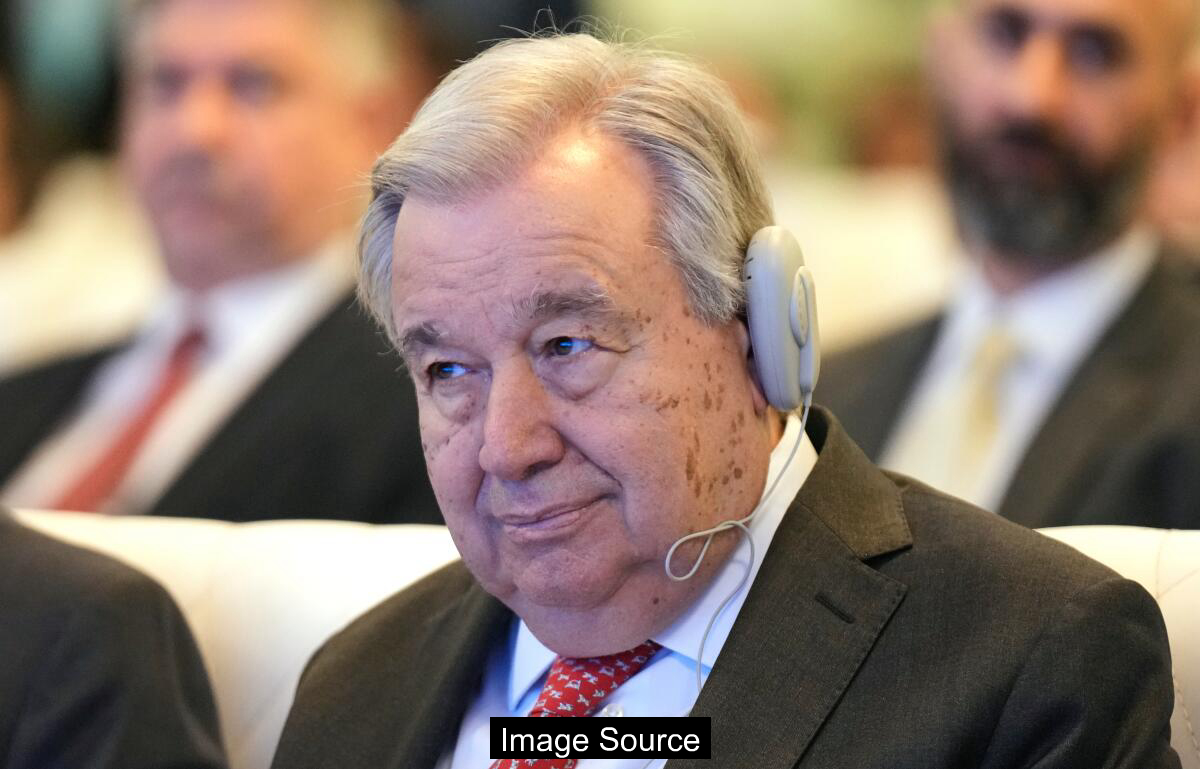
U.N. Secretary-General Antonio Guterres highlighted the emerging challenges, noting the generation of new economic uncertainties and social vulnerabilities. Despite potential headwinds, economists observed unexpected resilience in the face of economic pressures. Solid consumer spending and easing inflation have contributed to sustaining economic momentum.
The report underscores the varied economic trajectories across different regions. While some challenges persist, there are also signs of potential adaptation and strategic repositioning among global economies. The underlying message suggests a need for careful economic management and strategic policy responses.
Regional Economic Perspectives
Advanced economies are experiencing varied growth patterns. The United States is projected to see economic growth decline from 2.8% in 2024 to an estimated 1.9% in 2025. Strong consumer spending and AI-related investments are partially offsetting weaknesses in residential and commercial construction sectors.
Japan’s economic outlook remains constrained, with projected growth of 0.9% this year. The European Union anticipates a slight economic contraction, with growth declining from 1.5% to 1.4% in 2026. These projections reflect the ongoing impact of higher U.S. tariffs and persistent geopolitical uncertainties.
In contrast, developing economies demonstrate more robust growth potential. Large economies like China, India, and Indonesia are expected to maintain solid economic performance. The report highlights particularly promising developments in countries such as Bangladesh, Ethiopia, and Tanzania.
Economic Challenges and Opportunities
Developing and least developed countries face unique economic challenges. While growth in these regions is projected to improve, significant risks remain. High debt levels and climate-related shocks continue to pose substantial threats to economic stability.
East Asia is expected to experience a slight economic slowdown, with growth projected at 4.4% this year, down from 4.9% previously. China’s economic trajectory remains significant, with forecasted growth of 4.6% in 2026, reflecting a temporary easing of trade tensions with the United States.
Africa and Latin America present mixed economic scenarios. African economies are projected to see modest growth, increasing from 3.9% to 4% in 2026. Latin American and Caribbean regions anticipate a slight decline followed by a marginal recovery, maintaining a broadly resilient outlook.
Understanding Economic Dynamics
The current economic landscape is characterized by complex interdependencies and evolving global dynamics. Trade tensions, technological advancements, and geopolitical shifts continue to influence economic trajectories. The U.N. report emphasizes the need for adaptive strategies and collaborative approaches.
Technological innovations, particularly in artificial intelligence, are emerging as significant drivers of economic transformation. These developments are creating new investment opportunities while simultaneously challenging traditional economic models. The integration of technological capabilities becomes increasingly critical for economic resilience.
Policy responses and strategic interventions will play a crucial role in navigating the current economic uncertainties. Governments and international organizations must balance short-term economic stability with long-term structural transformations.
Economic FAQ
What factors are influencing global economic growth? Trade tensions, technological innovations, geopolitical uncertainties, and varying regional economic performances are key determinants of current global economic dynamics.
How are developing economies responding to global economic challenges? Many developing economies are demonstrating resilience by leveraging technological advancements, diversifying economic strategies, and maintaining robust growth trajectories despite external pressures.
Strategic Pointers
The U.N. economic forecast provides critical insights into the complex global economic ecosystem. While challenges persist, there are also significant opportunities for strategic adaptation and economic innovation. Stakeholders must remain agile and responsive to emerging trends.
Key strategic considerations include diversifying economic investments, embracing technological transformations, and developing resilient economic frameworks. Collaborative international approaches will be essential in addressing shared economic challenges.
Looking forward, continuous monitoring of economic indicators, technological developments, and geopolitical shifts will be crucial. Organizations and governments must maintain flexible strategies capable of responding to rapidly evolving global economic landscapes.
※ This article summarizes publicly available reporting and is provided for general information only. It is not legal, medical, or investment advice. Please consult a qualified professional for decisions.