In a move aimed at protecting Venezuelan oil assets, the US President has signed an executive order. The order seeks to safeguard these assets from potential seizure or misappropriation, as the ongoing political and economic crisis in Venezuela continues. The decision is expected to have significant implications for the country’s oil industry and its relations with the United States.
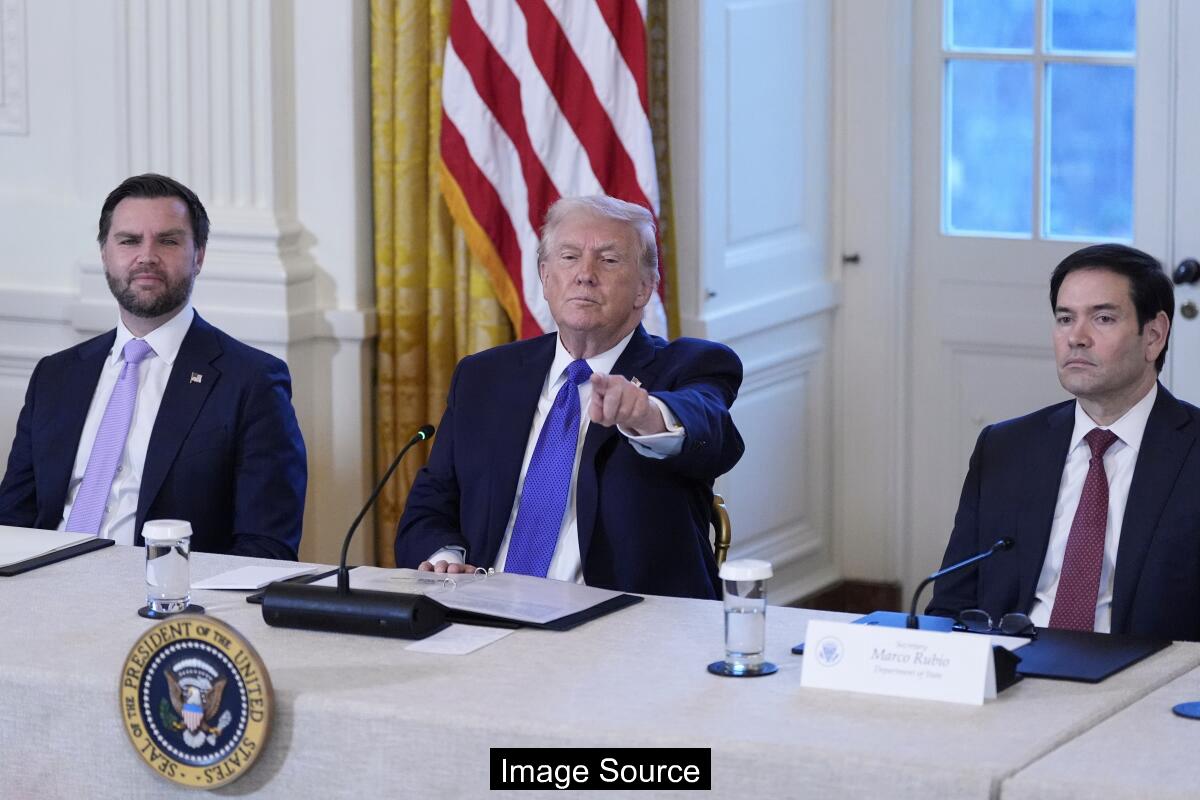
Trump’s Executive Order on Venezuelan Oil Revenue
President Trump’s new executive order on Venezuelan oil revenue is aimed at ensuring that the money remains protected from being used in judicial proceedings. The order, made public on Saturday, states that if the funds were to be seized for such use, it could ‘undermine critical U.S. efforts to ensure economic and political stability in Venezuela’.
The move is part of the Trump administration’s efforts to entice major oil companies to invest in Venezuela’s reconstruction through direct partnerships with the U.S. government, rather than the Venezuelan government. The administration is taking direct control of Venezuelan oil sales worldwide, seizing tankers and managing tens of millions of barrels of previously sanctioned crude.
The order’s legal underpinnings are the National Emergencies Act and the International Emergency Economic Powers Act. Trump, in the order, says the possibility that the oil revenues could be caught up in judicial proceedings constitutes an ‘unusual and extraordinary threat’ to the U.S.
Concerns from Oil Executives
During a meeting convened by Trump with oil executives on Friday, Darren Woods, the chief executive of ExxonMobil, the largest U.S. oil company, expressed caution about the tumult and instability in Venezuela, saying that ‘today it’s uninvestable’.
The oil executives were concerned that the ongoing U.S. sanctions, political uncertainty, and history of state asset seizures in Venezuela could make the country less attractive for private investment and rebuilding efforts.
To address these concerns, Trump tried to assure the executives that they would be dealing directly with the U.S., rather than the Venezuelan government, in the effort to rebuild the country’s infrastructure.
The Administration’s Priorities
Getting U.S. oil companies to invest in Venezuela and help rebuild the country’s infrastructure is a top priority of the Trump administration after the U.S. invasion and capture of its president, Nicolás Maduro.
The White House is framing the effort to ‘run’ Venezuela in economic terms, and Trump has seized tankers carrying Venezuelan oil, saying the U.S. is taking over the sales of 30 million to 50 million barrels of previously sanctioned Venezuelan crude, and plans to control sales worldwide indefinitely.
In a social media post, Trump wrote, ‘I love the Venezuelan people, and am already making Venezuela rich and safe again. Congratulations and thank you to all of those people who are making this possible!!!’.
Mini-FAQ
Q: Why is the Trump administration taking control of Venezuelan oil sales?
A: The administration is taking direct control of Venezuelan oil sales worldwide in order to ensure that the oil revenue remains protected from being used in judicial proceedings. This is part of the administration’s efforts to entice major oil companies to invest in Venezuela’s reconstruction through direct partnerships with the U.S. government.
Q: How is the administration justifying its actions?
A: The executive order cites the National Emergencies Act and the International Emergency Economic Powers Act as the legal underpinnings for the administration’s actions. Trump says the possibility of the oil revenues being caught up in judicial proceedings constitutes an ‘unusual and extraordinary threat’ to the U.S.
Implications and Reactions
The Trump administration’s move to seize control of Venezuelan oil sales and revenue has drawn both praise and criticism. Supporters argue that it is necessary to protect U.S. interests and ensure stability in the region, while critics contend that it is a violation of Venezuela’s sovereignty and could further exacerbate the country’s economic and political turmoil.
The oil industry has expressed mixed reactions, with some executives welcoming the administration’s efforts to facilitate investment, while others remain cautious about the risks and uncertainties involved in doing business in Venezuela.
The international community has also weighed in, with some allies supporting the U.S. actions and others condemning them as a unilateral and heavy-handed approach to addressing the crisis in Venezuela.
What Changes Now
The Trump administration’s executive order on Venezuelan oil revenue represents a significant shift in U.S. policy towards the country. By taking direct control of oil sales and revenue, the administration is seeking to leverage the country’s vast oil resources to achieve its political and economic objectives.
This move is likely to have far-reaching consequences, both within Venezuela and on the global stage. It could further strain relations between the U.S. and Venezuela, as well as with other countries that have interests in the region.
The long-term impact of the administration’s actions remains to be seen, but it is clear that the situation in Venezuela will continue to be a major focus of U.S. foreign policy in the coming years.
※ This article summarizes publicly available reporting and is provided for general information only. It is not legal, medical, or investment advice. Please consult a qualified professional for decisions.