U.S. stock markets experienced a significant downturn on Wednesday, driven by sharp declines in technology stocks and cryptocurrency volatility. The Nasdaq Composite and S&P 500 indexes fell sharply, with Nvidia’s stock price drop and Bitcoin’s market fluctuations contributing to broader investor uncertainty about tech sector valuations and market stability.
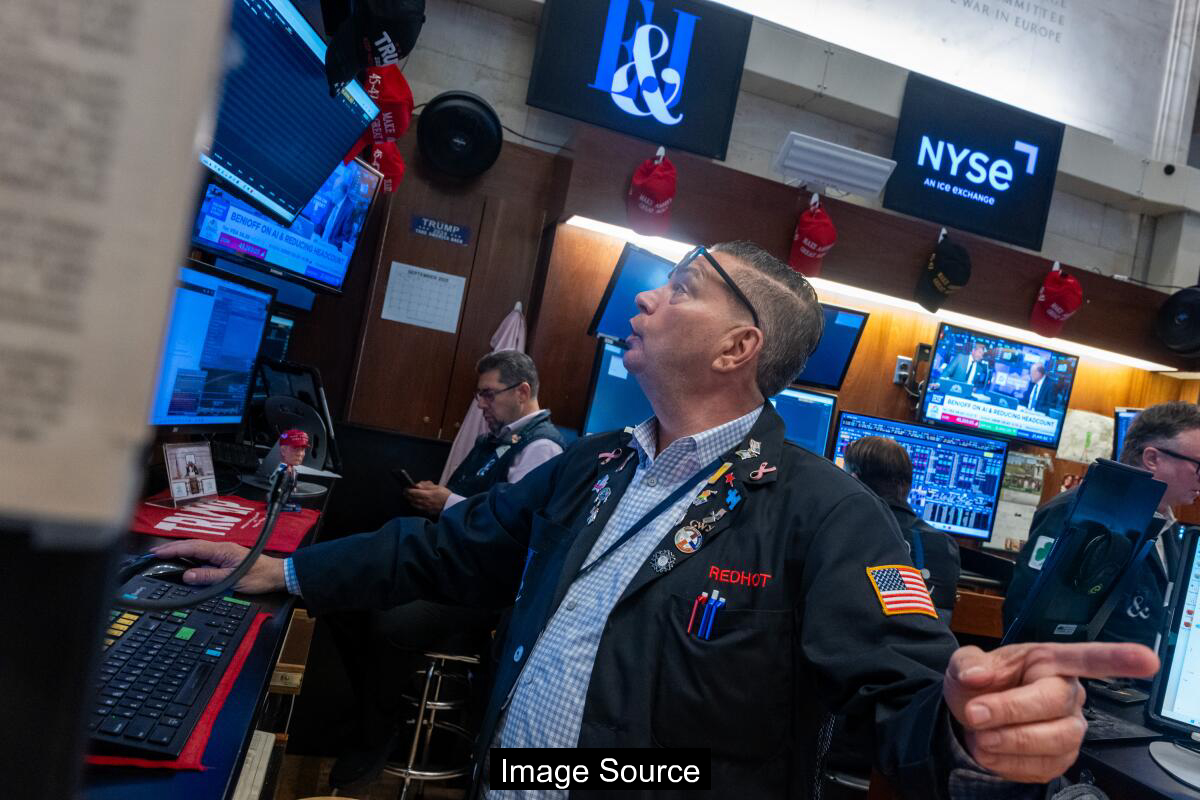
Market Volatility in Tech Stocks
The stock market experienced significant turbulence as investors retreated from high-priced technology stocks. The S&P 500 declined 0.8%, while the Nasdaq dropped 1.2%, reflecting growing concerns about artificial intelligence and tech sector valuations. Market sentiment shifted dramatically from the previous months’ robust rally.
Nvidia emerged as the primary market influencer, experiencing a 2.8% drop that contributed to its monthly losses exceeding 10%. The company’s substantial market capitalization means its performance disproportionately impacts broader market indices and investor portfolios. This decline represents what Wall Street terms a market correction.
Investor apprehension centered on potential overvaluation in AI-related stocks. Nearly half of major investors now consider an AI bubble the top market risk, surpassing concerns about bond markets, inflation, and international trade tensions. The rapid price escalations in tech stocks have prompted increased scrutiny of their sustainable growth potential.
AI Investment Landscape
The current market dynamics reveal significant challenges in the AI investment ecosystem. Companies like Nvidia and Palantir have experienced extraordinary stock price growth, with Nvidia’s value more than doubling in four of the last five years. Such rapid appreciation has raised questions about long-term sustainability.
Investors are increasingly cautious about potential overinvestment in AI technologies. The concern stems from massive capital allocations toward AI chips and data center infrastructure, which might not deliver the revolutionary returns initially projected. This skepticism reflects a maturing understanding of technological investment cycles.
Bank of America’s global fund manager survey highlighted growing institutional uncertainty. A record percentage of investors expressed concerns about corporate overinvestment, suggesting a more nuanced approach to evaluating technological innovation and its economic potential.
Cryptocurrency and Market Indicators
Bitcoin experienced significant volatility, dropping from nearly $125,000 to briefly falling below $90,000. This fluctuation mirrors broader market uncertainties and demonstrates the continued speculative nature of digital assets.
Other market segments also reflected economic complexity. Home Depot’s stock declined 6% after reporting weaker-than-expected summer profits, citing factors like reduced storm-related purchases and ongoing consumer uncertainty in the housing market.
The interconnected nature of modern financial markets became evident through these simultaneous movements across technology, cryptocurrency, and traditional retail sectors. Investors must navigate increasingly complex and interdependent economic landscapes.
Federal Reserve and Interest Rate Dynamics
The Federal Reserve’s monetary policy remains a critical factor in market performance. Current speculation centers on potential interest rate adjustments, with traders closely monitoring December’s meeting for potential rate cuts.
The Fed has already implemented two rate reductions this year, aimed at supporting a slowing job market. However, the delicate balance between stimulating economic growth and managing inflation continues to challenge policymakers.
Treasury yields demonstrated significant daily oscillations, with the 10-year Treasury yield fluctuating between 4.11% and 4.13%. These movements reflect ongoing uncertainty about future monetary policy and broader economic conditions.
Market Questions & Insights
Q1. What is driving the current market volatility in tech stocks?
A1. Growing concerns about potential AI stock overvaluation, coupled with rapid price appreciation and uncertainty about technological investment returns.
Q2. How are investors responding to these market conditions?
A2. Many are adopting a more cautious approach, with nearly half viewing an AI bubble as the primary market risk and expressing concerns about corporate overinvestment.
The persistent questions surrounding technological investments underscore the complex relationship between innovation, market valuation, and economic fundamentals. Investors must balance optimism with rigorous analytical scrutiny.
Strategic Pointers
The current market environment demands sophisticated investment strategies that account for technological disruption, monetary policy shifts, and global economic uncertainties. Diversification and careful sector analysis become increasingly important.
Technological sectors like AI continue to represent significant growth potential, but investors must temper enthusiasm with realistic assessments of scalability and economic impact. The market’s recent volatility serves as a crucial reminder of inherent investment risks.
Monitoring key indicators such as Federal Reserve policies, technology sector performance, and broader economic trends will be essential for navigating the complex financial landscape in the coming months.
※ This article summarizes publicly available reporting and is provided for general information only. It is not legal, medical, or investment advice. Please consult a qualified professional for decisions.
Source: latimes.com